The Arlington-Culpeper Grant Sparked Bacon’s Rebellion and Redefined Virginia Real Estate
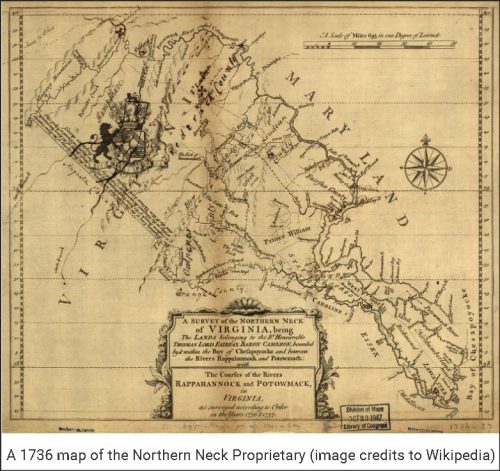
Virginia real estate history does not begin with subdivisions or courthouse deed books. It begins in political exile. In 1649, after the execution of King Charles I during the English Civil War, England’s monarchy collapsed. His son, Charles II, fled Europe and depended on loyal aristocrats for financial survival.
With no treasury and no functioning government, Charles II used land in the American colonies as compensation. In September 1649, he granted a massive tract in Virginia to seven royalist supporters. This territory stretched between the Potomac and Rappahannock Rivers, from the Chesapeake Bay westward into unmapped Appalachian terrain. The grant would become known as the Northern Neck Proprietary.
The scale was extraordinary. More than 5.28 million acres of fertile river valleys, timberland, and frontier wilderness were transferred into private control. The proprietors were given authority not only to sell land but to collect quitrents, establish counties, and manage economic development within the territory.
This was not simply a land deal. It created a privately controlled real estate jurisdiction operating alongside colonial Virginia.
The Restoration and colonial resistance
For more than a decade, the 1649 patent held little practical force. Parliament controlled England and its colonies. Virginia’s colonial government continued issuing its own land patents and organizing counties inside proprietary boundaries.
(more…)