by Derrick A. Max
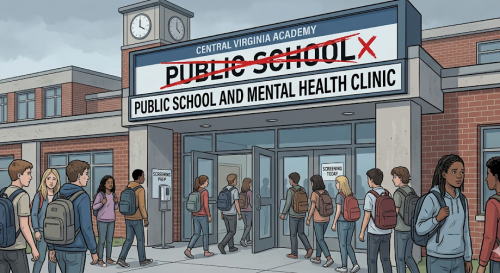
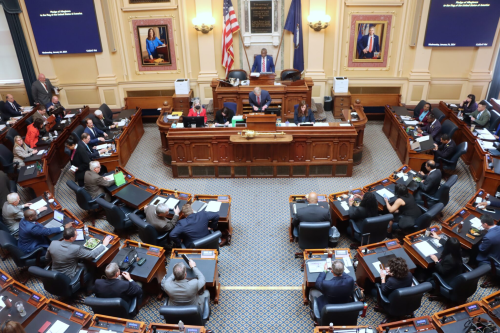
Virginia parents should be alarmed that the Virginia General Assembly just passed House Bill 355 which mandates annual mental health screenings for all public school students in grades 6 through 12. While framed as a compassionate response to a very real “mental health crisis,” it represents a fundamental shift in the mission of public education: from academic instruction to clinical surveillance.
By institutionalizing mandatory mental health screenings, HB 355 threatens to undermine parental authority, pathologize normal developmental issues experienced during difficult age ranges, and likely ignores the cultural and religious values of many Virginia families.
The primary objection to HB 355 is not clinical, but structural. The family is the foundational unit of a free society, yet this bill treats parents as secondary stakeholders. By utilizing a “passive consent” (opt-out) model, the state assumes the right to probe a child’s internal psyche unless a parent proactively intervenes. This, of course, assumes that parents fully understand or even receive critical opt-out notices that are sent home – notices that are likely crafted with “we are here to help” verbiage.
In a healthy society, the state must require explicit, informed “opt-in” consent before any psychological assessment. Make the schools convince parents that this is the right choice for their children and ensure they have their informed consent and partnership. When government screening is the “default,” it signals to parents that their role as the primary protector of their child’s well-being has been superseded by the state. Do nothing and the school will do it for you, and better (or so they believe).
This is not a safety net; it is a soft form of state overreach that erodes the parent-child bond.