By Steve Haner
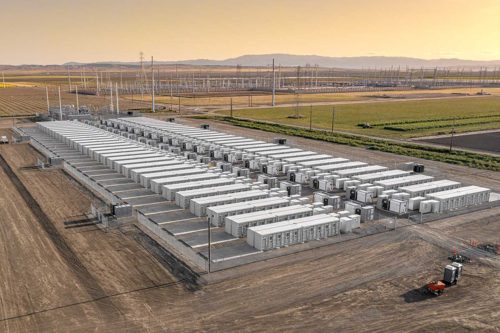
The 2026 General Assembly is likely to amend the Virginia Clean Economy Act (VCEA) to greatly expand the construction of utility-scale batteries for our electric grid. Based on the current prices for Virginia battery installations, this may saddle ratepayers with $54 billion in new capital expenses over 20 years.
The Commission on Electric Utility Regulation (CEUR) has endorsed a revised version of a bill that passed in the 2025 General Assembly but was vetoed by Governor Glenn Youngkin (R). The senators and delegates on the panel discussed the bill briefly at two meetings last week without anybody even asking what this might cost.
The lack of attention to costs on this battery bonanza bill is legislative and media malpractice when the political meme of the day is affordability. But the same thing happened last year as a similar bill rode a railroad track to fast approval.
The Virginia Clean Economy Act as passed in 2020 included a demand for battery installations and deemed them “in the public interest.” Appalachian Power was directed to develop 400 megawatts of battery storge by 2045, and Dominion Energy a larger 2,700 megawatts. The assumed technology to be used was batteries of up to four-hour duration, so that was a total for both utilities of up to12,400 megawatt-hours of backup.
How many hours the batteries can discharge is the key metric, so the faceplate megawatt value must be multiplied by their claimed duration. What the VCEA is demanding now is about 12.4 gigawatt hours (GWH) of storage. From here on, this discussion will use GWH. A gigawatt hour is a great deal of electricity, the output of a nuclear plant or that natural gas plant Dominion just got approved.
(more…)