by James C. Sherlock
This is a real-life horror story.
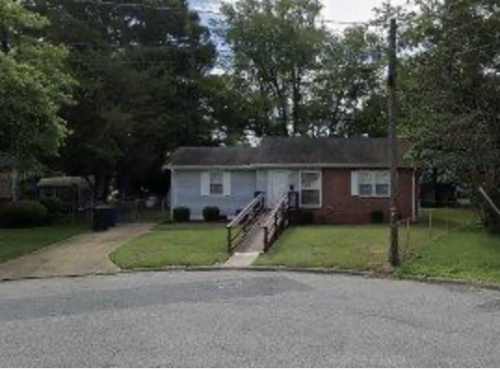
One hundred and two serious incidents with injuries reported since 2019 by a single provider of community-based residential services whose tiny houses host a maximum of 24 intellectually and developmentally disabled adults at a time. Not counting those who died.
This is the story of Lucas Lodge, a Portsmouth provider of community-based services. It is a story of that provider’s repeated inability to run its program in compliance with the law, and the consequences, including deaths and serious injuries to the people it is paid to protect.
And it is the story of the state regulator, which inspected, found serial violations of safety and health regulations, read the reports of injuries and deaths, and did virtually nothing.
Legal Jeopardy for the Commonwealth
The executive branch of the Virginia government has, for at least 40 years, violated the letter, the spirit, or both of state and federal laws intended to protect the health and safety of the less fortunate. This author has reported on those issues regarding nursing homes for a decade.
But successive Virginia administrations have, as with nursing homes, repeatedly cited both institutional providers and providers of community-based services for persons with developmental and intellectual disabilities (DD/ID) for violations of state and federal laws without imposing significant sanctions. That is a more consequential legal matter than with nursing homes.
The 1999 Supreme Court Olmstead v. L.C. decision (527 U.S. 581) ruled that unjustified segregation of people with disabilities in institutions is unlawful discrimination under the ADA. It established that states must provide community-based services when appropriate, desired by the individual, and reasonably accommodated.
The Commonwealth has twice (in 2012 and 2020) been sued by the Justice Department for violating Olmstead and subject to orders from Senior Judge John A. Gibney Jr. of the U.S. District Court for the Eastern District of Virginia requiring compliance. Since January of 2025, Virginia has been permanently enjoined by that same court to comply with the specific settlement agreement criteria certified in the 2020 order and enshrined in Virginia law and regulations since August of that year.
The evidence presented here raises questions about whether the state has ever tried to comply with those orders.