But More Clarity Needed to Improve Mayor-Council Relations
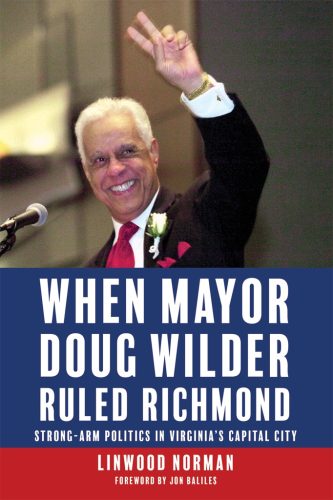
by Linwood Norman
City charters, which provide rules of governance for local government, may be revised with the best of intentions, but once those changes take effect, the cracks and crevices may begin to appear.
Such was the case for Richmond, Virginia.
In 2005, Richmond became the first city in Virginia to have a “strong mayor” form of government. Some viewed the city’s transition to this model of local government as a “political experiment in progress.” The goal was to promote greater efficiency, effectiveness and transparency in running the city. Now, on the eve of the 20th anniversary of its charter, Richmond remains the only city in Virginia with a strong mayor system.
Though Richmond’s charter was revised to establish the mayor’s role as the city’s chief executive officer and the city council as the legislative branch, the task fell short in clearly outlining all of the aspects of how the strong mayor system would operate.
Richmond’s new form of government brought fundamental changes that transferred additional power to the mayor, who served as the official elected citywide who directly reported to – and was held accountable by — the people.
In many respects, Richmond’s revised charter strengthened the mayor’s position in overseeing the operation of local government. He obtained line-item veto authority for the city’s annual budget (subject to a two-thirds override by city council), the ability to hire and fire top city officials through the chief administrative officer, and also had the authority to allocate funding to the school system within specific budget categories—such as instruction, administration, and facilities—for greater emphasis on academic performance and operational efficiency.