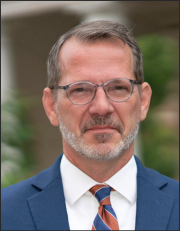
By Chris Braunlich

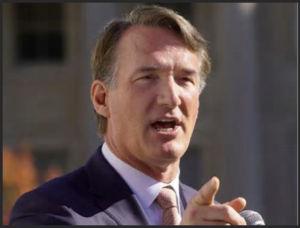
When Governor Glenn Youngkin proposed an Education Opportunity Scholarship Grant – similar to what exists in 28 other states – providing $5,000 in private school scholarships to 10,000 low-moderate income public school K-12 students, the reaction was instantaneous, underscoring America’s partisan divide: Republicans endorsed it. Democrats opposed it.
Senate Majority Leader Scott Surovell, D-Mt. Vernon), called it “unconstitutional.” Senator Louise Lucas, D-Portsmouth, the powerful Senate Finance Committee Chair immediately declared that “it’s not going to happen.” Senator Ghazala Hashmi, D-Chesterfield, charged that such aid “widens disparities,” claiming the funds are insufficient and wouldn’t cover the financial gap for private schools.
Whatever happens to the Youngkin proposal, it is part of the annual conflict over whether or not low-income parents should be empowered to make the same kind of decisions for their children that wealthy parents can, similar to those debates we saw over the Education Improvement Scholarship Tax Credit.
It’s old non-news. But we learned long ago that if we don’t steer the narrative to the truth, the lies will take over.