Now It’s Hot. You Still Thank Coal and Gas for Staying Cool.

The story on this hot day in August is the same as it was on a cold day in January. You need to thank coal and natural gas for the air conditioning keeping you cool and forget the fantasy that it will eventually be wind turbines and solar panels doing the job. It certainly won’t be within decades, and it probably never will be.

The PJM website that tracks power demand and the various generation sources producing the electricity is so effective at destroying the “energy transition” narrative, the powers that be will get rid of it one day.

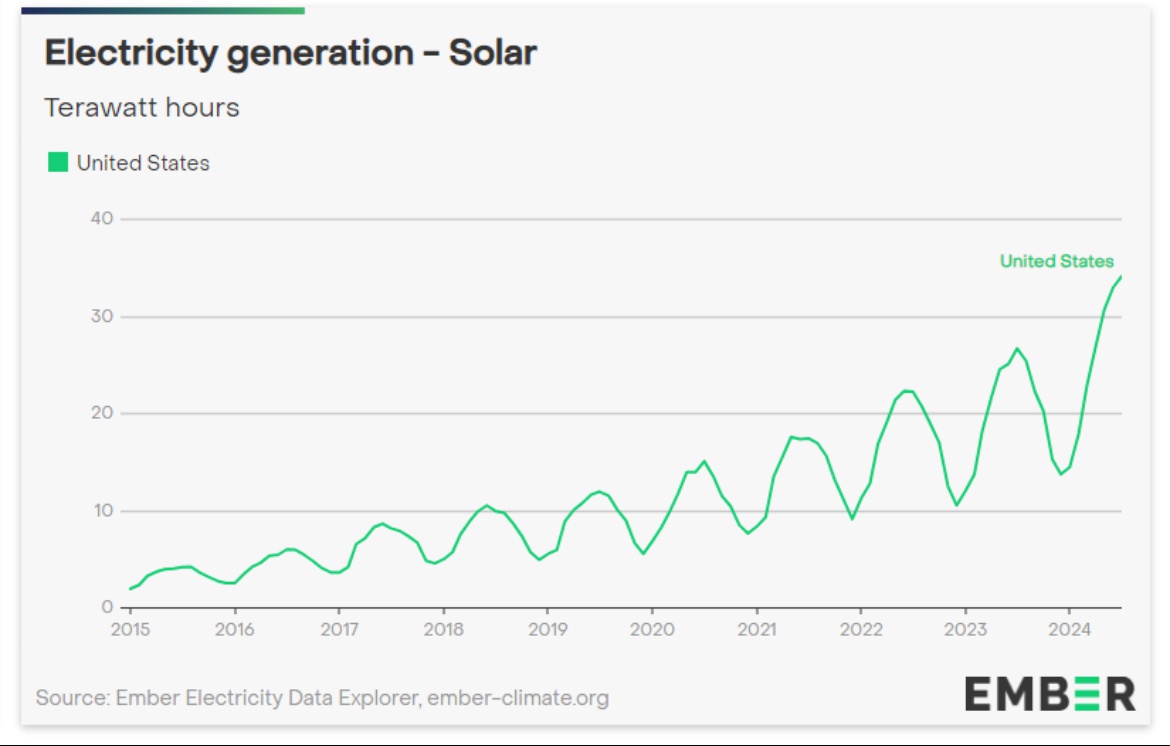
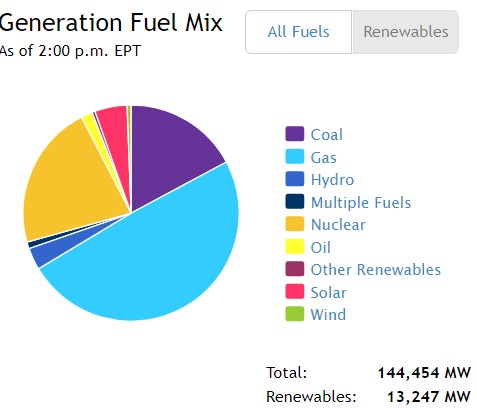
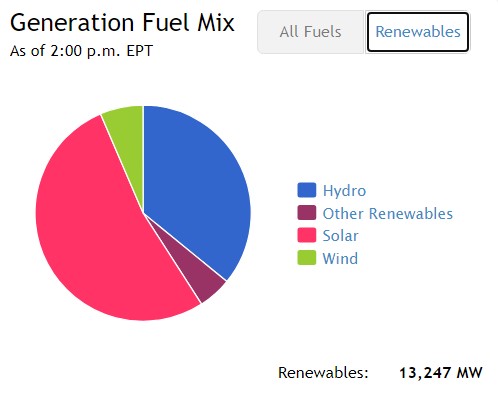
Of the more than 144,000 megawatts of power being used at 2 p.m. in the 13-state region that includes Virginia, less than 10% was coming from so-called “renewable” sources. About half of that was from solar panels, churning away on this mostly sunny day, with most of the rest actually coming from hydro power. That probably means Dominion Energy Virginia’s Bath County Pumped Storage facility is pushing water through its turbines today. Wind output is negligible.

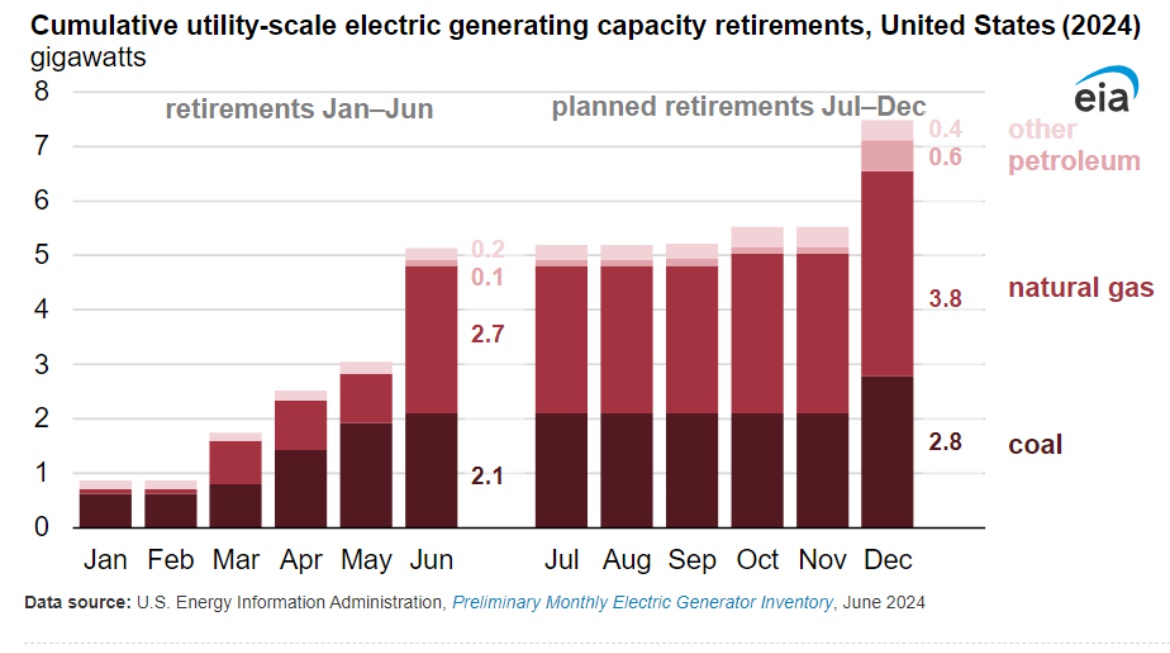
Sustaining the load were 71,000 megawatts of natural gas, almost 25,000 megawatts of coal power, and more than 31,000 megawatts of nuclear power. Even oil was being burned for another 2,500 megawatts. The climate catastrophe fanatics, including most Democrat politicians, are actively trying to end the use of coal, oil and natural gas, and only some of them will tolerate the continued use of nuclear energy into the future.

ADVERTISEMENT

(comments below)


Comments


Comments

38 responses to “Now It’s Hot. You Still Thank Coal and Gas for Staying Cool.”

  1. Lefty665 Avatar

    Bring on the small nukes!

  2. Wahoo'74 Avatar

    Agree with you 100%! Problem is, facts donโ€™t matter to Climate Change fanatics and Socialist zealots. Ideology trumps logic. Every time.

  3. James Wyatt Whitehead Avatar
    James Wyatt Whitehead

    I had to put my glasses on to see the itty bitty slice of the pie from wind. Too bad Dominion shareholders don't get a tiny slice of dividend pie.

  4. Nancy Naive Avatar
    Nancy Naive

    Canโ€™t just throw a switch. Would that you could.

  5. LarrytheG Avatar
    LarrytheG

    We WILL need gas for a long time but why in the world would we CHOOSE to use more expensive fuels
    when lower costs ones are available, especially when cheaper than coal?

  6. Teddy007 Avatar

    Not a real answer. The science cannot account for economic costs or adaption. The dispute between alternative 3 and alternative 4 is arguing over the economic costs.

  7. LarrytheG Avatar
    LarrytheG

    you can google why but basically it's a very large state with a lot of infrastructure. Google it.

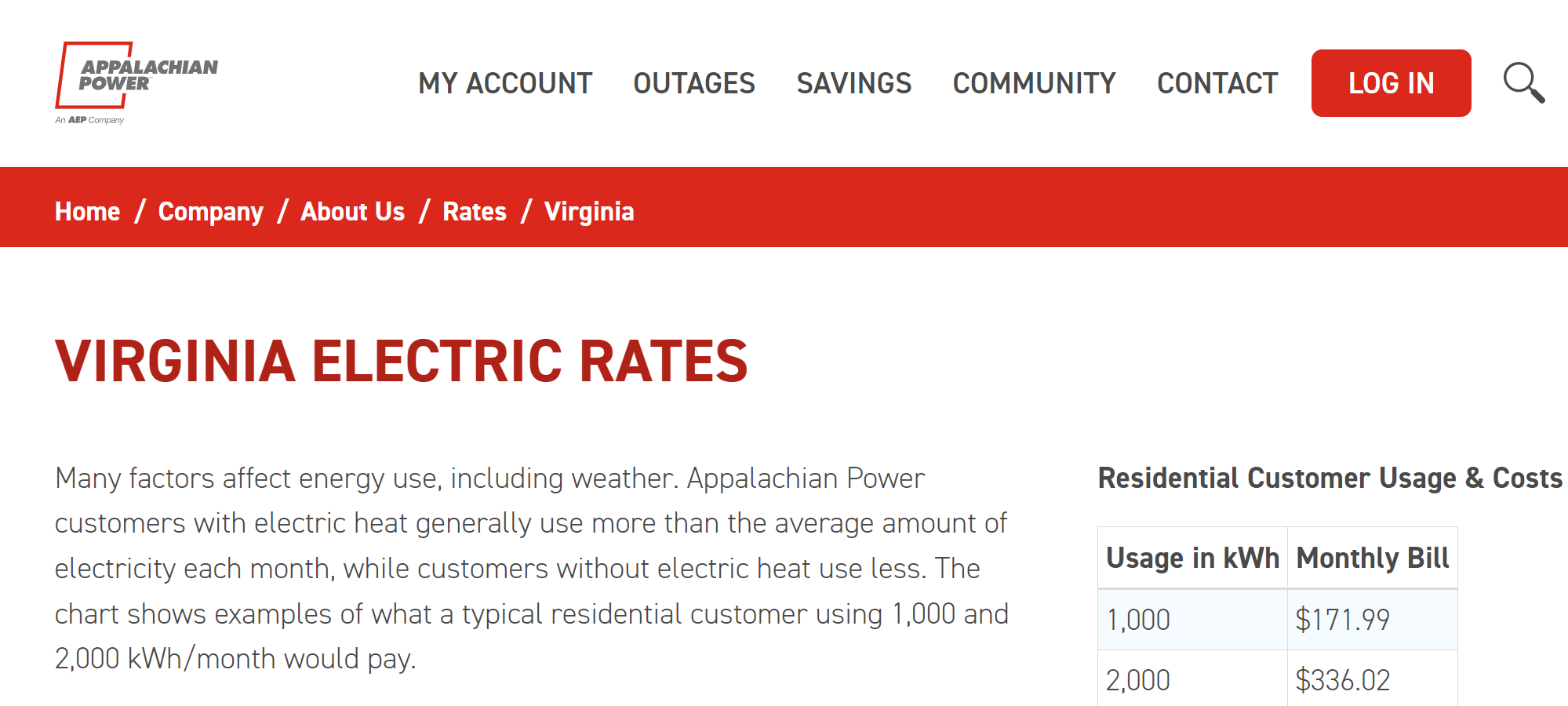
    Why is APCO in Va so expensive like California?

    1. Stephen Haner Avatar
      Stephen Haner

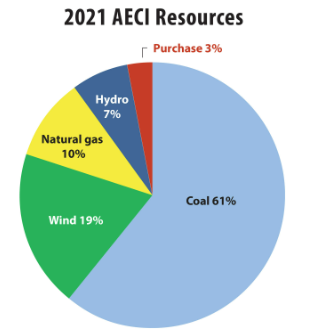
      California? Solar is the reason. The duck curve. Solar dies when needed most and then the backup kicks in. APCO? Also too reliant on one source, coal, now that its ratepayers are being hit with those ash cleanup costs. Not much nuke in APCO's fleet.

      Most recent EIA data:
      https://www.eia.gov/electricity/monthly/epm_table_grapher.php?t=epmt_5_6_a

      California not only 2x or more higher than Virginia, but also more than 2x every adjacent Western state.

  8. LarrytheG Avatar
    LarrytheG

    The science is only looking at whether it is real or not.

    What are the costs if we DON'T deal with it?

    5. – The CO2 is going up and is based on human activities and will cost trillions of dollars in damages if we do not make changes that although costly won't be as costly if we ignore it.

  9. LarrytheG Avatar
    LarrytheG

    Nope.

    " and that the costs of no doing something to lower levels is too high."

    how do you know that?

    No one is claiming " CO2 levels can go down without lowering living standards or lowering fertility."

    What some ARE saying is that if we do nothing about it that living standards will decrease substantially perhaps catastrophically.

    The first part is science.

    The second part is economics and a cost-benefit of doing nothing or doing everything or doing something.

    don't we have to have some idea before deciding?'

  10. LarrytheG Avatar
    LarrytheG

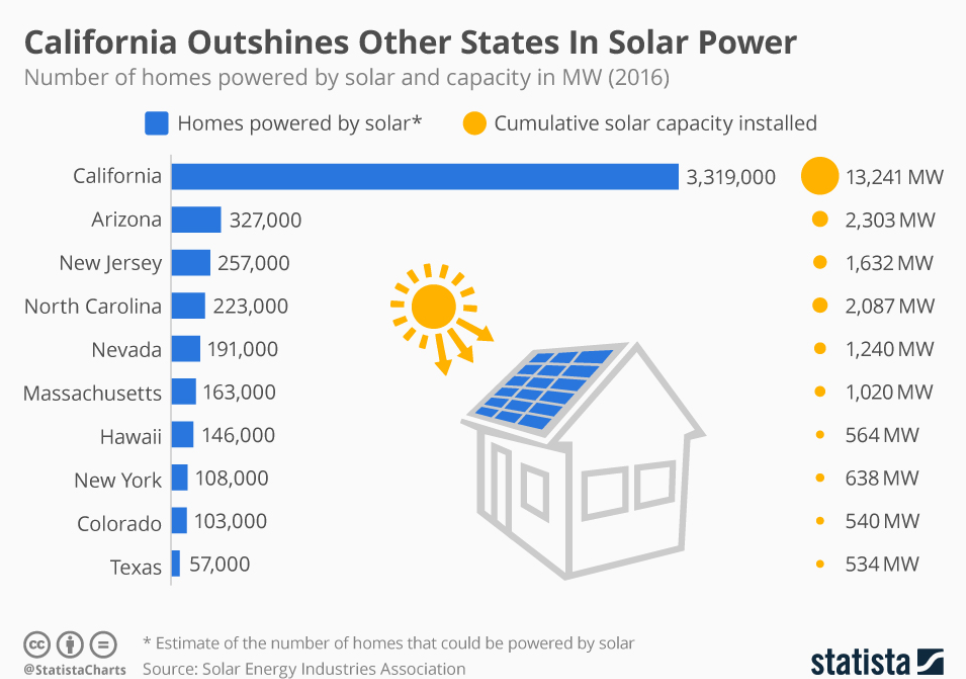
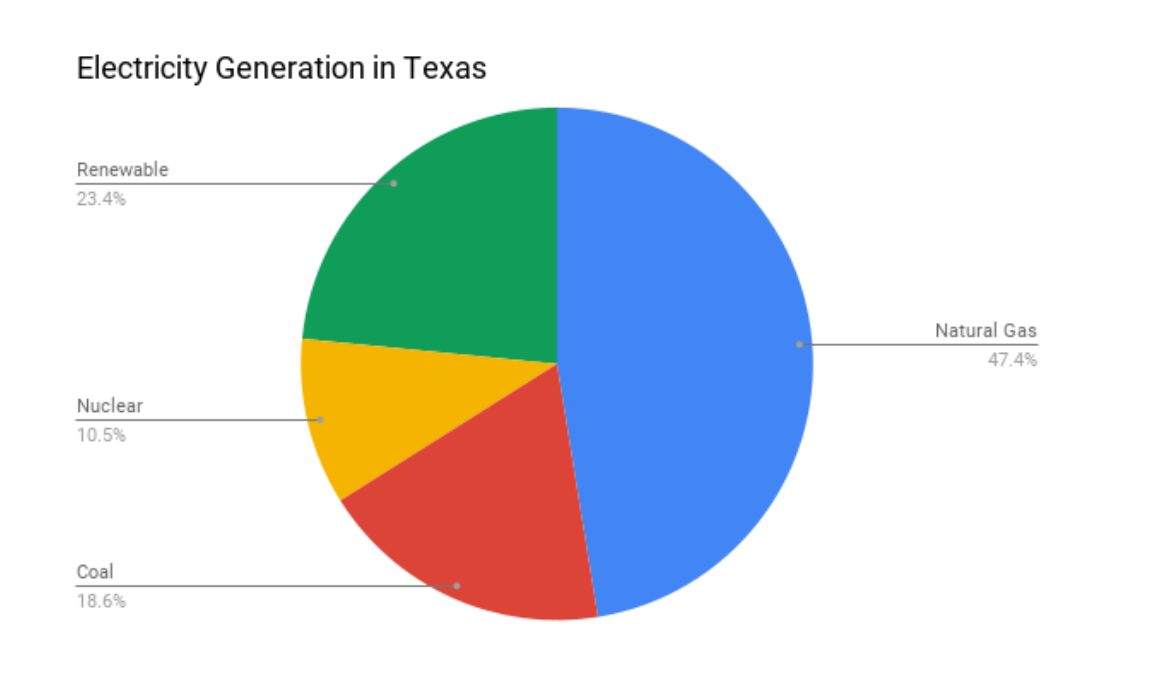
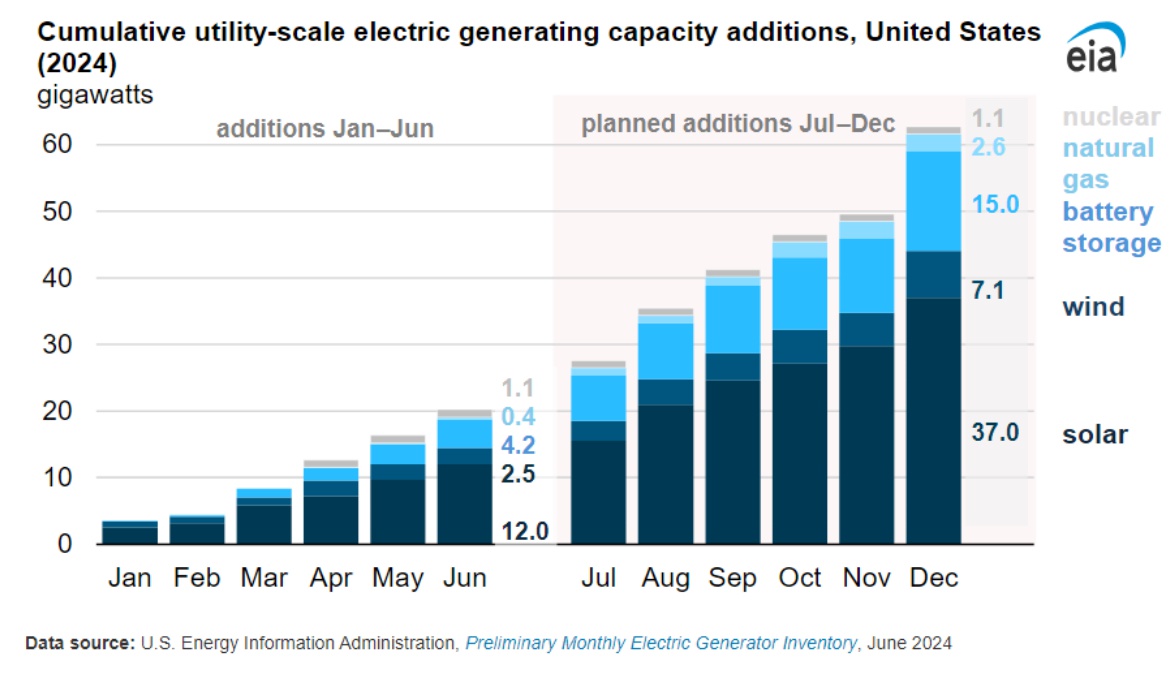
    Both Texas and California have shown that much higher percentages of wind and solar CAN be used INSTEAD of coal and gas – AND it's much cheaper to use so why not use solar and wind to the extent you can if for no other reason than to use less expensive fuel, regardless of the climate issue?

    https://uploads.disquscdn.com/images/58e5c28d4d1aa044cc1f28c37dfbb76b11c5a867bc38939e637f96c7620b9273.png

    https://uploads.disquscdn.com/images/f56a88d304f668755c5ced49ece8a9b3a9b8a9afaf8246e1bf3af17ce0f8a011.png

  11. Lefty665 Avatar

    I wasn't making any comment on the paper you linked.

    Keep it up and I'll have to put you in the same category as 007. Hint hint, nudge nudge.:)

    The question of cause and effect with increasing C02 levels is interesting. Certainly C02 has increased along with pollution and temperature since the beginning of the industrial age. It is also a greenhouse gas. Cause or effect? Dunno, but there is clearly correlation which may be the important characteristic. Interesting paper in that he examines that relationship over long periods of time.

  12. Lefty665 Avatar

    You could probably generalize that to: Why is everything more expensive in California than in Virginia? Quality of life especially. Potential answer, California is run by id**ts.

  13. Teddy007 Avatar

    When it comes to global warming or climate change, the first question someone needs to answer is what they believe.

    1. That CO2 levels are not going up.
    2. That CO2 levels are going up but will have no effect.
    3. That CO2 levels are going up, will have an negative effect but that the costs of lowering CO2 is higher than the negative impacts.
    4. That CO2 level are going up, will have a negative effect, and that the costs of no doing something to lower levels is too high.

    Please pick one.

    1. Bedfordboy Avatar
      Bedfordboy

      Or perhaps an option is that CO2 level increases follow natural increases in global temperature, not precede or cause it. Forcing a choice from an arbitrary, finite list is dogma, not science.

      https://www.aimspress.com/article/doi/10.3934/mbe.2024287

      1. Teddy007 Avatar

        Once again, one is arguing that the levels are not going up but just trying to find a fancy way to say it.

        1. Bedfordboy Avatar
          Bedfordboy

          Look up "CO2 level increases" as found in my post and try again. That's what dogma does to your brain.

    2. Eric the half a troll Avatar
      Eric the half a troll

      How do you account for the morality (or lack therefore) of causing the extinction of numerous species?

  14. LarrytheG Avatar
    LarrytheG

    we’re talking worldwide , right?

    I think it took more than one company but the bigger point is that the science indicated a problem and we looked at the economics and we took action and switched , at some cost, and it was successful – and we
    can do it again, if we set our minds to it like we have before with Ozone Holes and other chemicals and materials that were a threat to us.

  15. Lefty665 Avatar

    You make an unsupported assumption, and it ain't about dogma.

  16. Teddy007 Avatar

    The economy of Hawaii depends upon putting tourist into metal tubes and burning a tremendous amount of hydrocarbons to get those tourist to Hawaii where even more hydrocarbons are burned to feed, cool, and entertain those tourist. In a zero carbon world, tourism involving air travel cannot occur under current technology. Those pseudo-environmentalist who have six-figure frequent flier miles will never admit how much travel and recreation will have to change to get to zero carbon. The ozone hole exists because UV exposures could and can be majored. However, there was a lot of issues with replacing halon with other less effective fire suppression systems. A better issue is did the U.S. really need to rip out all of the asbestos in the 1960’s and 70’s and replace it will less effective fire walls and insultation.

    1. Eric the half a troll Avatar
      Eric the half a troll

      โ€œThe economy of Hawaii depends upon putting tourist into metal tubes and burning a tremendous amount of hydrocarbons to get those tourist to Hawaii where even more hydrocarbons are burned to feed, cool, and entertain those tourist. In a zero carbon world, tourism involving air travel cannot occur under current technology.โ€

      Eventually, it may be possible for other areas of the world to be very intensive carbon sinks and for these more remote areas to become less carbon intensive yet still maintain their tourist economies. The technology and practices are pretty much there already. We lack infrastructure and will largely. Ironically, some of the most promising carbon capture approaches involve using depleted fossil fuel reservoirs in places like nearshore Texas and Louisiana. They have been doing carbon sequestration in Alberta for some time and there are plans for sequestration of CO2 removed from natural gas at Prudhoe Bay. One step away from straight carbon capture and sequestration of the CH4 itself – a big step to be sure but doable.

      1. Teddy007 Avatar

        Extracting CO2 out of the air is still not technically feasible, is very energy intensive, and still results in putting the carbon back into the air.

        1. Eric the half a troll Avatar
          Eric the half a troll

          Right now the focus of big oil & gas for greenhouse gas emissions reductions is in stopping fugitive methane emissionsโ€ฆ and rightly so. There are projects they are working on to decarbonize methane making the resulting hydrogen carbon neutral. There are also big oil & gas built and operated biogas projects in our midwest. The biogas is carbon neutral but if stripped of its carbon becomes carbon negative (a carbon sink). The technology is there. Oil and gas is involved. It will likely happen.

  17. Randy Huffman Avatar
    Randy Huffman

    Do you happen to know if the solar generation in these numbers include residential and commercial solar panels on buildings, or just solar farms? I have solar panels on my house, and when I get my Dominion bill, it is the net intake, not grossed up for what my panels generate. I can see what the panels generate in a separate tool that comes with the system, but do not believe it shows up on the Dominion bill, as they are measuring net to the house. I can take a look tonight when I get home, but wondering if you knew.

  18. Eric the half a troll Avatar
    Eric the half a troll

    Converting to carbon neutral generation does not necessarily involved increased costs. One can argue the costs are actually lower.

  19. Eric the half a troll Avatar
    Eric the half a troll

    You then must pay very low electric rates, paid too much for the install, have a terrible exposure, or made an error in your calculations. Did you account for SRECs? Are you generating them? My payoff period from three years ago was 10 years. Not amazing but acceptable. That was calculated at a $35 SREC price which is about what I am currently averaging and at a $0.10/kWh cost figure. We are currently at $0.125/kWh here so that probably makes my pay off period more like 8-9 years but would have to dust off my spreadsheet to be sure.

  20. Eric the half a troll Avatar
    Eric the half a troll

    Not all renewable energy is cheaperโ€ฆ yetโ€ฆ

    https://www.neste.com/products-and-innovation/sustainable-aviation?gad_source=1&gbraid=0AAAAAodVdsJW1ymJX4IP-Vj-4Ijp1hs0G

    I know of several projects in our midwest that are generating biofuels from animal waste. A financial liability becomes an asset.

    Also remember there are and increasingly will be carbon negative energy sources. Parts of our country will eventually become carbon sinks.

  21. Nancy Naive Avatar
    Nancy Naive

    Energy sources are like junk food. Renewables are like almonds. Theyโ€™re better for you but expensive. Nuclear is like Doritos. Eat all you want, theyโ€™ll make more. Just donโ€™t touch anything until you wash your hands. And coal? Coal is like having a stash of Twinkies under the bed. You can eat some, and pass the rest down to your heirs for generations, but if you binge, there wonโ€™t be anymore, and they will kill you.

  22. Eric the half a troll Avatar
    Eric the half a troll

    Your number 4 implies it is nothing more than a straight financial calculation (i.e. it will cost us more money ultimately to do nothing). You may read it more broadly but I think it is dangerous to only focus on money – I get you say number 4 doesnโ€™t but plenty of people will read it that way and would love to keep the argument on a net financial impact level. There are moral implications outside of net costs that deserve their own argument. Is it fair to give our children a world with a badly damaged climate and ecosystem? Are we truly being good (biblical?) stewards or are we simply continuing a pattern of humanity-first ecological dominance because we can? These sort of things need to be considered outside of any financial equation and on their own, imo.

  23. Eric the half a troll Avatar
    Eric the half a troll

    In a house that uses 1 mWh per month, water usage would be about 200 kWh per month. Cut that in half because just 2 of you. 100 kWh electric usage for hot water. I think 4x as efficient would mean it would use 25 kWh per month – saving 75 kWh per month. At $0.125 per kWh this would represent a savings of $9.37 per month. Take the cost differential and divide by 9.37 and you will have a rough estimate of the payback period. In my opinion that should be under 5 years for a water heater.

  24. LarrytheG Avatar
    LarrytheG

    i think you are right. How long the tank will last is an issue also. The current one went 7 years.

    1. Eric the half a troll Avatar
      Eric the half a troll

      Looks to me like the cost difference is about $1000 so the payback period would be about 9 years. I have seen heat pump water heaters can go 10-15 years so you might come out ahead. But the financial argument is not a sure thing. There is the whole โ€œitโ€™s still a good thing to doโ€ argument though.

  25. LarrytheG Avatar
    LarrytheG

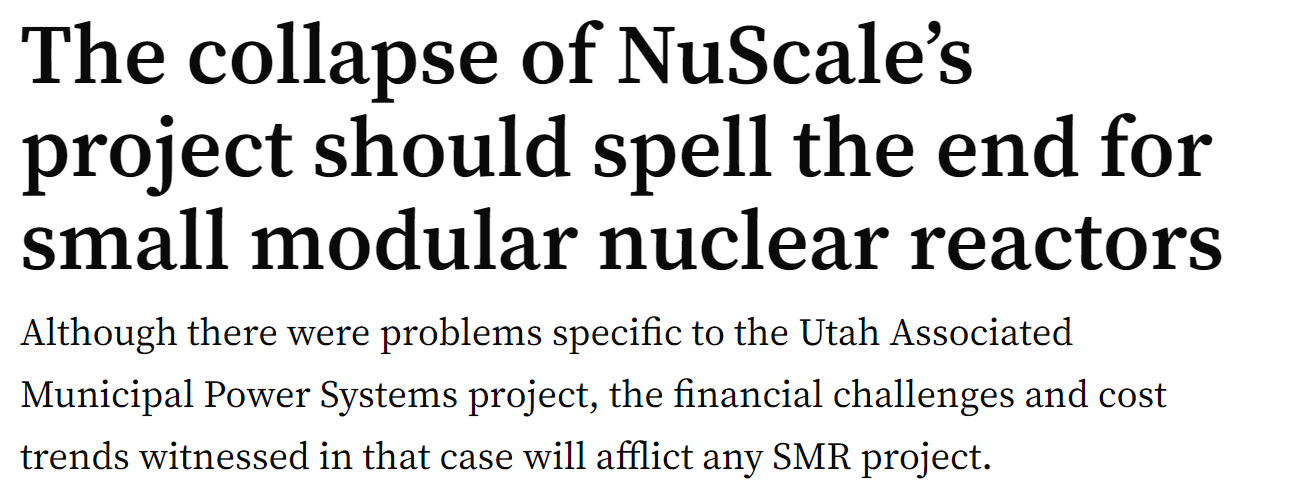
    Well, they just approved North Anna for another 20 years but it's not the regulations that is the problem. It's 70-year old technology and the latest modernized version – SMRs (small modular reactors) actually HAS been "streamlined" and approved to manufacture like widgets in a manufacturing facility and then trucked to a site – but each one essentially identical so maintenance and operations is much more efficient and Dominion is "sorta" proposing one at North Anna.

    There's only one problem , they STILL cost like the devil – and when you ask folks who support nuclear if they would STILL support it if it turned out their electricity was more costly than all the other fuels, they go quiet.

    So the time has come for the pro-nuke guys to put their proverbial money where their mouths are – it will be the most expensive electricity on the grid.

    Published Jan. 31, 2024

    https://uploads.disquscdn.com/images/40530b68d546611921683406f22304448f9f62ad59d7fd767a179ded897a8c4c.png https://uploads.disquscdn.com/images/ac16ffa52127ee967eb760d5d5f1fd7052a5338c3c053f9b3fe305692f658c9f.png

Leave a Reply


ADVERTISEMENT