Charlottesville writer Scott Johnston’s new book is a lark, but it makes a serious point about society’s new norms, status seeking, and virtue signaling in the wealthy enclaves of New York.
Listen to the latest Oinkonomics podcast.
James Bacon: Hello, everybody. I’m Jim Bacon, and this is the Oinkonomics Podcast.
American society seems more divided than at any time since the 1960s, when the Vietnam War was raging and the Civil Rights Movement was at its peak. What’s really scary today is that we’re not at war, and the gains of the Civil Rights Movement have been consolidated and institutionalized. What is driving the discord? The root of the increasingly acrimonious divisions in our society, I would argue, has been the spread of critical theory, and the reactions, and perhaps overreactions to it.
Very few Americans can actually define critical theory. Not many have even heard of it. But its precepts have trickled down through academia, school systems, and elite media into the popular culture. Basically, critical theory views human interactions through the paradigm of oppressors and oppressed. This set of ideas is commonly referred to as wokeness.
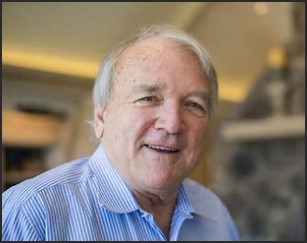
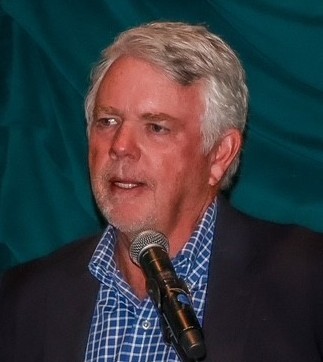
Today, I am talking to Scott Johnston, a Charlottesville novelist, about his latest work, “The Sanderson’s Fail Manhattan.” The novel is set in Manhattan, not Virginia. But it explores how wokeness plays out, not just in academia and politics, but in the everyday interactions of the educated elites who have most fully embraced it. “The Sanderson’s Fail Manhattan” takes place in New York City, but it easily could have been set in Fairfax County.
Scott is a Northerner, transplanted to Virginia. He graduated from Yale, worked on Wall Street, and launched several successful businesses. His 2019 novel, Campusland, skewers political correctness run amok at his alma mater. It’s hilarious, and I recommend it highly. He explores similar themes in the Sanderson’s Fail Manhattan, which was published this summer.
Good day to you, Scott.
(more…)