by Steve Haner
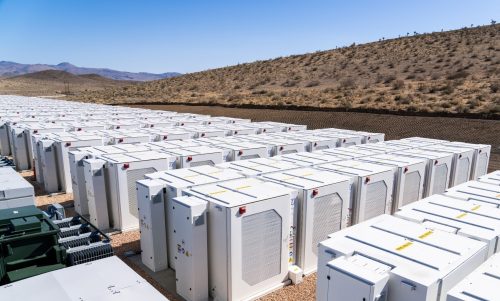
Proposed legislation to require Virginia’s two main electric utilities to load up on battery storage in the next 20 years has now been introduced, and the target battery amounts for Dominion Energy Virginia grew even larger than in the version of the bill previewed by a study commission in December. It is way larger and more expensive than the bill vetoed by Governor Glenn Youngkin (R) last year.
For Dominion and Appalachian Power Company combined, doing a bit of simple math, the bill is calling for more than 135 gigawatt hours of battery storage. That is probably enough stored electricity to meet their current customer demand three or four times over (five times on a slow day). At the estimated price per gigawatt hour used in this previous post, the capital cost (less profit and operating expenses) would surpass $90 billion.
If they existed today, they would hold enough electricity to cover the entire 13-state PJM regional transmission organization on all but a few days. These folks want to back up the entire PJM system with batteries paid for by Virginia ratepayers. (It is a bit more complicated than that, but this does indicate the scale of power involved. Their first hour of combined discharge would be 21 GW, still a stunning amount of electricity.)
Incoming Governor Abigail Spanberger (D) has since listed this $90 billion battery legislation as one part of her “energy affordability” agenda, so a veto this time seems unlikely. It is also fair to assume Spanberger or at least some of her advisors saw this new draft before it appeared as a bill in the past 24 hours. This new version is House Bill 895, from Delegate Richard Sullivan, D-Fairfax, and a Senate companion bill is expected.
Most of the capital cost and years of profit for the utilities would show up on people’s bills long after Spanberger leaves office in four years.