
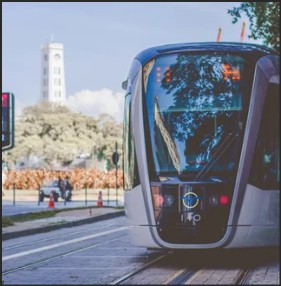
by Kerry Dougherty
Good grief.
I thought we drove a stake through the heart of the foolish notion of extending light rail to Virginia Beach back in 2016.
Apparently not.
Please, no. Enough money has been wasted on this developer-driven boondoggle. Voters realized that the rail system was never going to be a commuter rail but rather it would allow city power brokers to get rich building ant colonies around each stop. A 2016 referendum to extend the failure to Town Center was defeated in a landslide.
Take was when the extension would have cost $100 million a mile. That cost has probably quadrupled by now.
I wrote dozens of metro columns for The Virginian-Pilot persuading voters to reject folly.
I was right, of course. A column penned by Randal O’Toole, a Cato Institute expert on public transportation, neatly explained the folly of this system in a 2021 piece “celebrating” the 10-year anniversary of The Tide.
Light rail was a mistake from the beginning. As I’ve repeatedly noted before, it was rendered obsolete in 1927, when the first rear-engine buses were developed that were less expensive to buy and less expensive to operate than rail transit. Buses can also move far more people per hour than rail.
Norfolk light rail is particularly pathetic. In 2019, it carried an average of 12.4 people per 68-seat railcar (that is, 12.4 passenger-miles per vehicle-revenue mile), less than any other light-rail system in the country. Fares covered less than 14% of operating costs, not the lowest but well below the 22% average for light rail nationwide. These numbers are all from before the pandemic, but as of June, 2021, ridership was still 58% less than 2019 numbers, which means trains were emptier and fares covered even less of the cost of running the Tide. Continue reading.
Leave a Reply
You must be logged in to post a comment.