
by James A. Bacon

Governor Glenn Youngkin will propose $290 million in extra funding for new public-school construction in the 2025-26 fiscal year, the Governor’s Office announced yesterday. That will bring the total amount of construction dollars in the biennial budget to $700 million, and the total allocated since Youngkin took office in January 2022 to nearly $2 billion.
Naturally, the Virginia Education Association says that’s not nearly enough. According to the Richmond Times-Dispatch, VEA President Carol Bauer said years of underinvestment and inflation mean the backlog of new school construction is increasing about $1 billion yearly. The governor’s one-time funding proposal, she said, “doesn’t even keep pace with the annual growth of our backlog, let alone make meaningful progress in reducing it.”
Moral of the story: No amount of money is ever enough. The education lobby always wants more.
No one is asking some basic questions: Could school districts extend the lives of existing buildings by spending more on maintenance? Do new schools even improve academic achievement? If not, what’s the need for them? Could money be spent better in other ways?
More than half of Virginia’s school buildings are more than 50 years old, according to the 2021 findings of the state’s Commission on School Construction and Modernization. Replacing those buildings would cost $25 billion.
Sounds like a massive problem.
Maybe, maybe not.
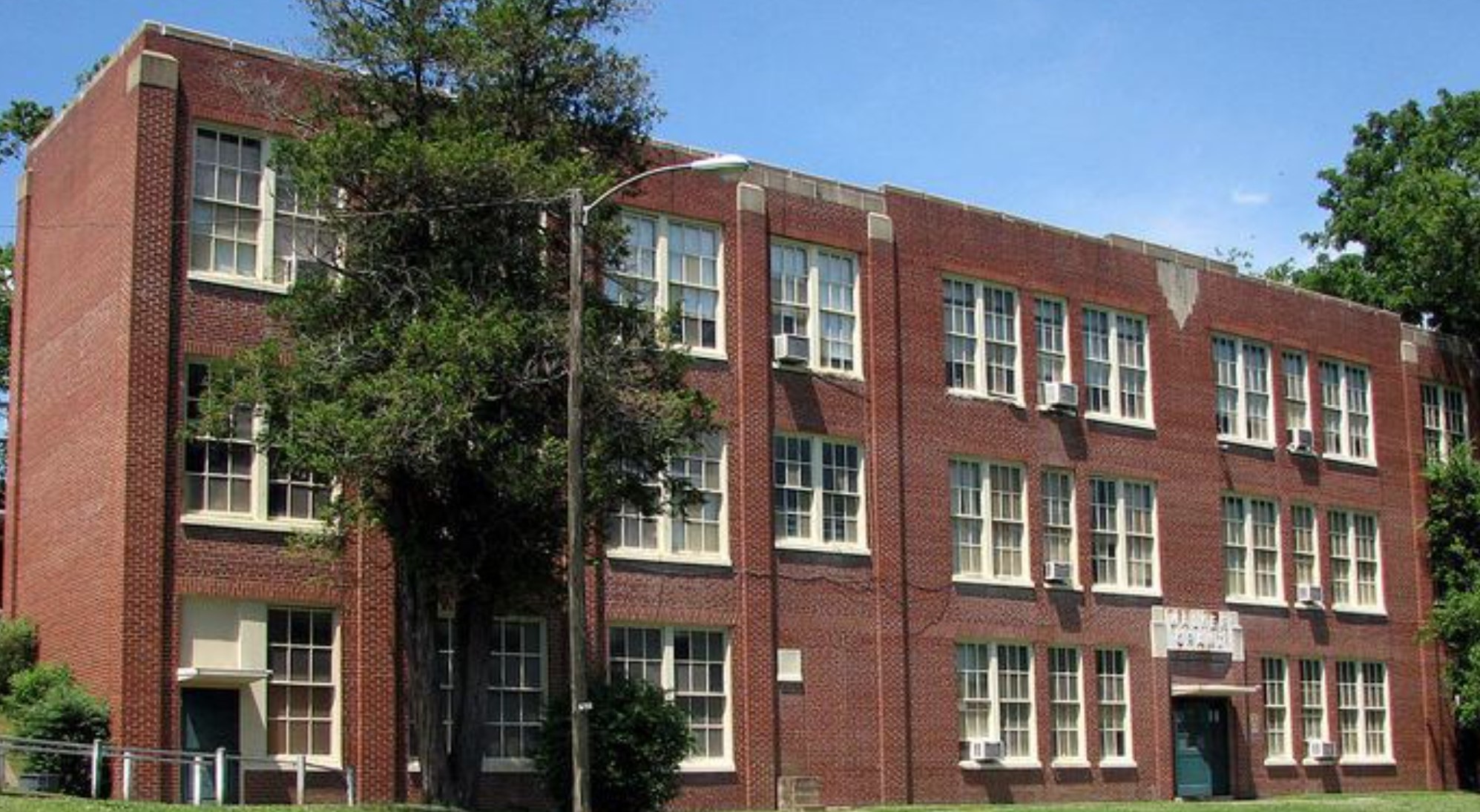
There’s nothing wrong with old buildings as long as they are properly maintained.
Indeed, the architectural design of many old school buildings is vastly superior to that of sterile, cookie-cutter new school buildings. I attended a prep school that was founded in 1909. Some of its buildings date back to its founding. Those buildings have been retrofitted and well maintained, and they remain as functional as ever. Their relative antiquity lends them character and charm that most people find appealing.
My son attended a Henrico County public high school that opened in 1954 — 70 years ago. The structure is a bit dingey, and no one would call it charming. But the buildings are functional. The lack of that shiny new house smell had no discernible impact on the quality of teaching. Undoubtedly, the Henrico School Public School system needs to repair or replace roofs, windows, or mechanical systems in an older building, but the idea that Commonwealth should spend some $50 million (or whatever it costs) to build an entirely new structure is fiscally ludicrous.
A big part of the problem is that building new schools is politically sexy. Local politicos love ribbon-cuttings, and they love claiming credit for shiny new objects. Setting aside reserve funds for routine maintenance is decidedly not politically sexy. Local newspapers don’t take photos of updated HVAC systems. Maintenance is easy to defer. Many localities engage in the practice, a hidden form of deficit spending.
Every school district should have a capital improvement plan that covers routine maintenance and anticipates significant expenses such as new boilers, electrical upgrades, or, when justified, even replacing old schools with new. To protect the school system from spending spikes as big expenditures come due, sufficient reserves should be set aside each year to cover those expenses. Long-term debt should be managed so that when aging buildings absolutely do need to be replaced, the locality can issue bonds to pay for the new construction. Foresight and discipline are required.
Instead of spending big gobs of money on “new schools,” which may or may not make more sense than properly maintaining existing facilities, the Commonwealth should help school systems plan for their capital spending needs. It’s not rocket science, but it does take financial expertise that smaller and poorer school systems may lack. If some school systems are so poor and under-resourced that they can’t possibly keep up, then the state should create special programs targeted to those districts.
There’s one more thing the state can do: Conduct ongoing studies to determine if there is any relationship between the newness of a school building and the quality of education that takes place inside that building. According to the school construction commission, Southwest Virginia vied with Western Virginia and Southside school regions as having the oldest school buildings in Virginia — 58 years compared to the state average of 52 years. Yet the Southwest region has the highest SOL pass rates of any region in the state.
Comparing school regions is a very rough cut, of course, and more detailed analysis is desirable. The Commonwealth should compare SOL pass rates of student populations in old school buildings and in the bright, shiny facilities that replace them. If it can be shown that new school buildings materially contribute to student learning, then erecting newer buildings will be an easier political sell. If newness makes no difference, then administrators should look for better ways to invest their resources.


Leave a Reply
You must be logged in to post a comment.