
Is there a creative solution that would preserve the historic site of Powhatan’s birthplace while allowing development to proceed? Or will this become a zero-sum game like everything else in our society?
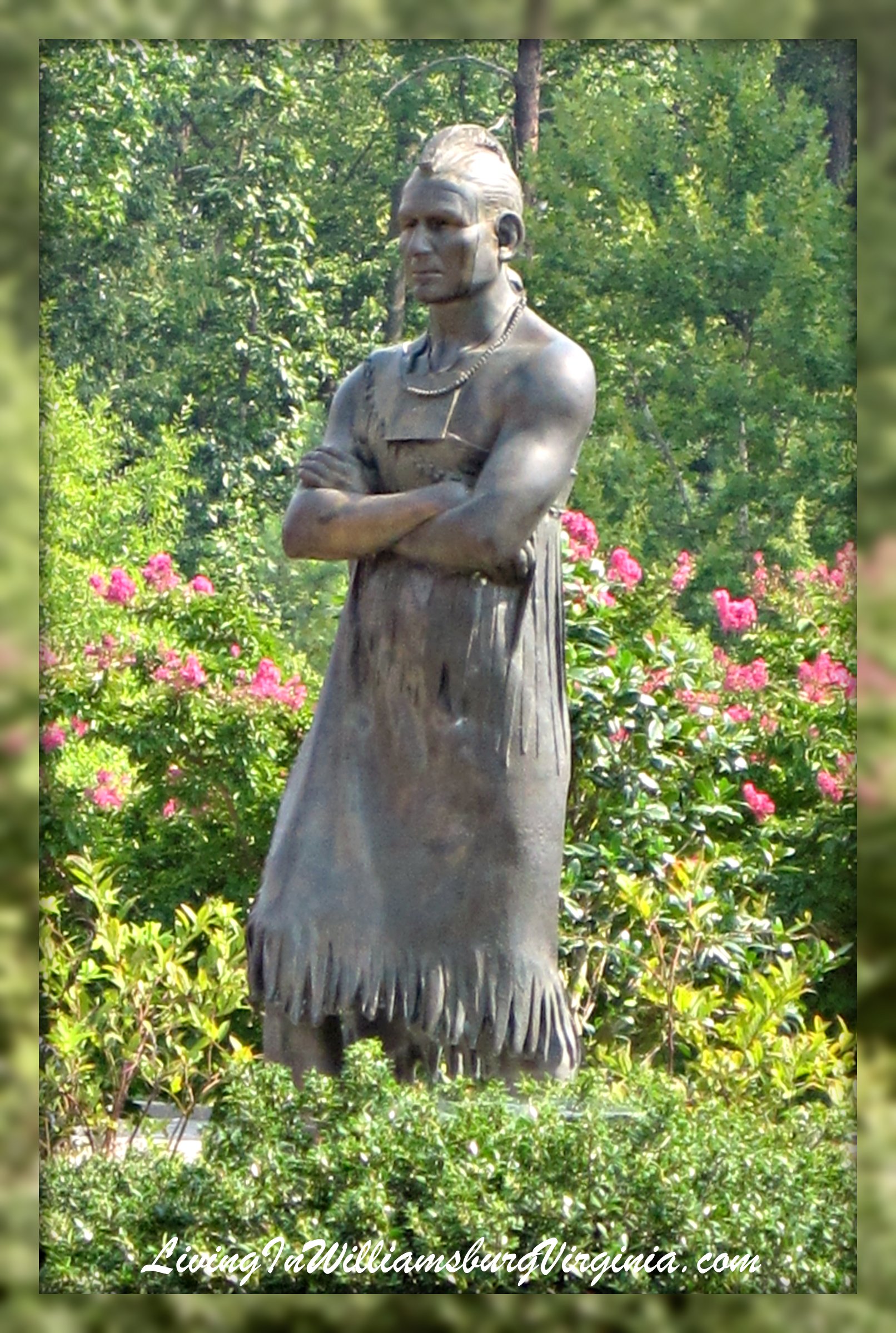
Press release from the Southern Environmental Law Center:
Today Preservation Virginia named the site of WaHōnSeNaKah (Powhatan)’s birthplace one of Virginia’s most endangered places of 2026.
Located on the north bank of the James River immediately downstream from present Richmond, Powhatan’s birthplace is depicted as a prominent settlement on historic maps and initial archaeological work has uncovered tens of thousands of artifacts at the site. The site holds immense cultural significance to Virginia’s Tribes and reflects a long-standing and ongoing relationship between Tribal Nations and the landscape. The property was later home to a plantation and enslaved community and it is recognized as the site of Richmond’s surrender at the end of the Civil War.
Today, it is one of the last undeveloped parcels near Richmond on Route 5/Old Osborne Turnpike — one of the oldest roads in the state and designated as a Virginia Byway for its high aesthetic and cultural value. It is also in danger of being lost to development.
“Powhatan’s Birthplace is a sacred landscape, shaped by more than 13,000 years of Indigenous history, memory, and survival — and it now stands on the brink of irreversible loss. This irreplaceable site, where generations lived, were buried, and endured, is now threatened by a multi-billion-dollar international developer that has failed to equitably collaborate with Virginia’s Tribal Nations. If we fail to act now, we will not only destroy one of the Chesapeake’s most significant cultural sites, we will sever a living connection to the ancestors, descendants, and histories that still call this place home,” said Dr. Ashley Spivey, Pamunkey Tribal Citizen and Executive Director of Kenah Consulting.
A private company is reviving plans to develop the 530-acre property. When this development was originally approved, Virginia’s Tribes had not received federal recognition and had far more limited capacity to engage in state and local decision-making processes.
Leave a Reply
You must be logged in to post a comment.