
by James A. Bacon
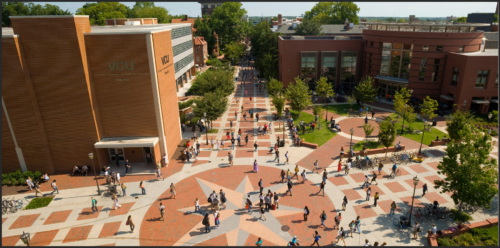
Virginia Commonwealth University, where police clashed with pro-Palestinian demonstrators in the spring, has responded with alacrity to Youngkin administration admonitions to update its policies in preparation for more mayhem when students return for the fall semester.
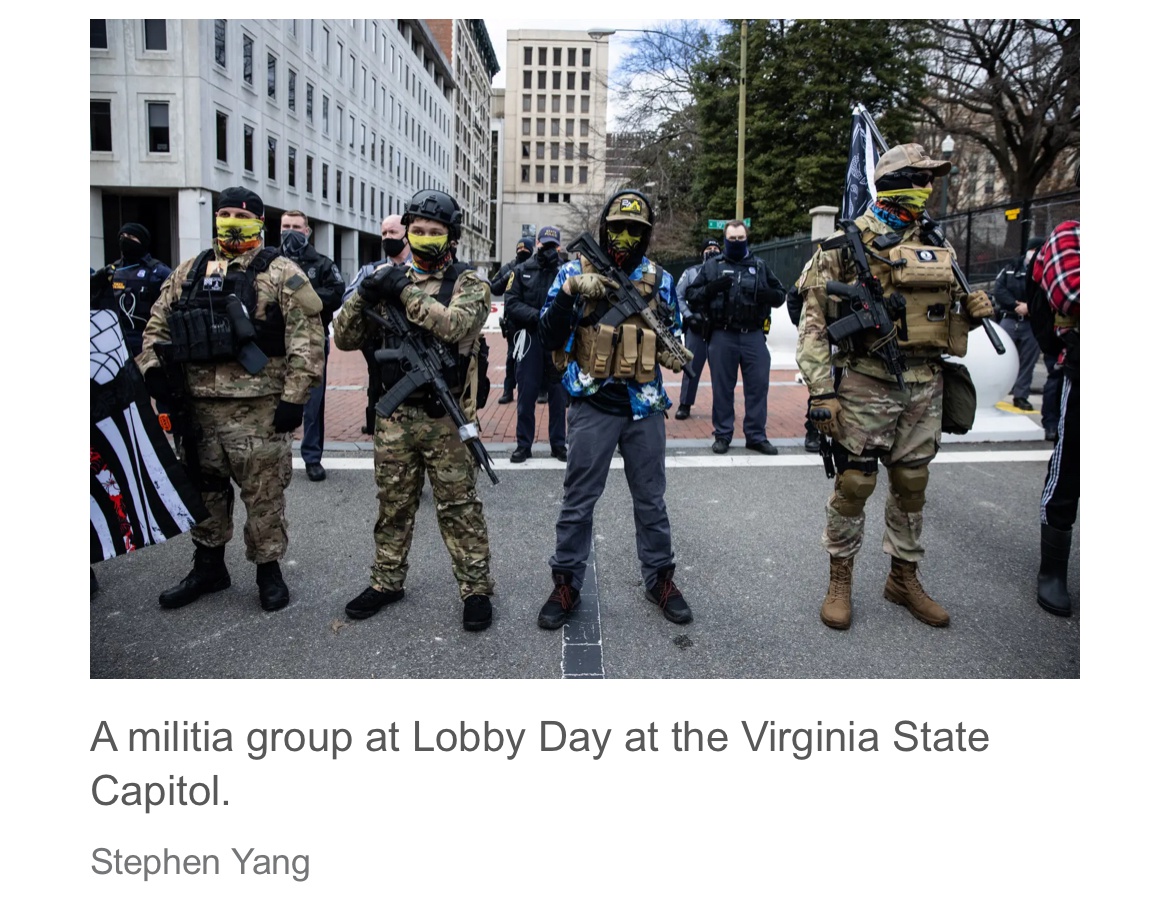
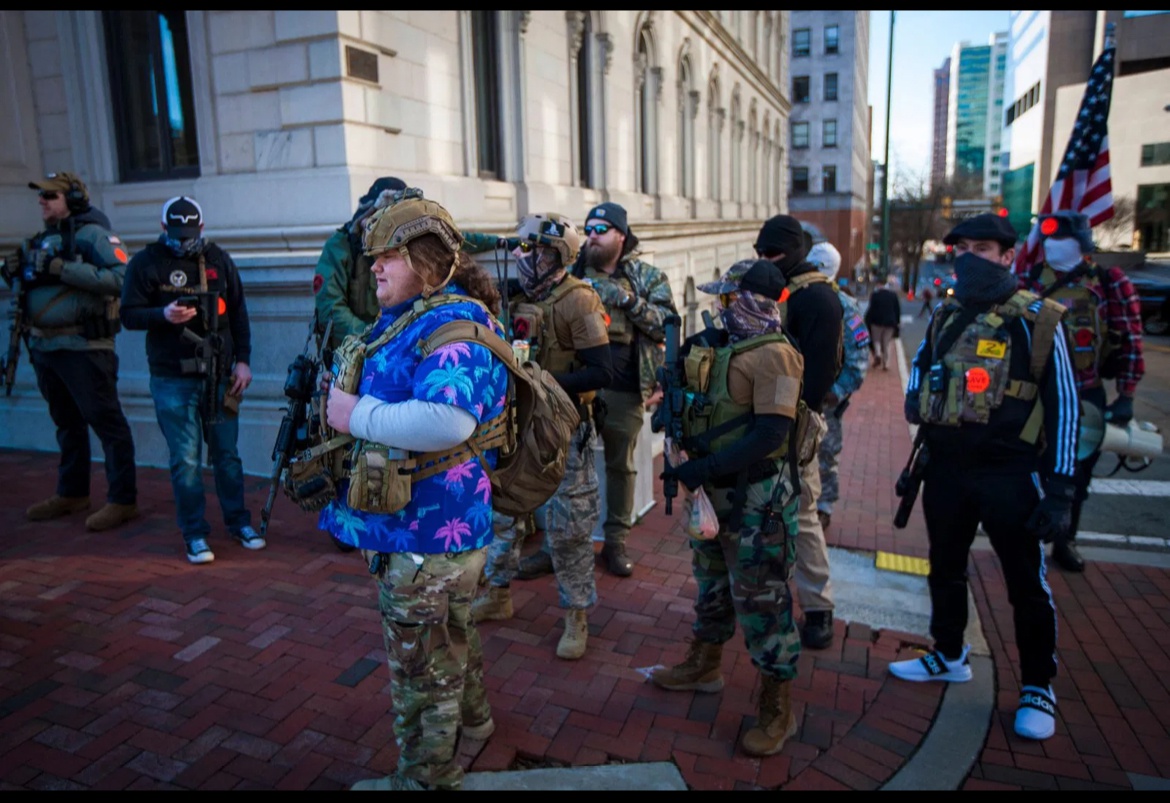
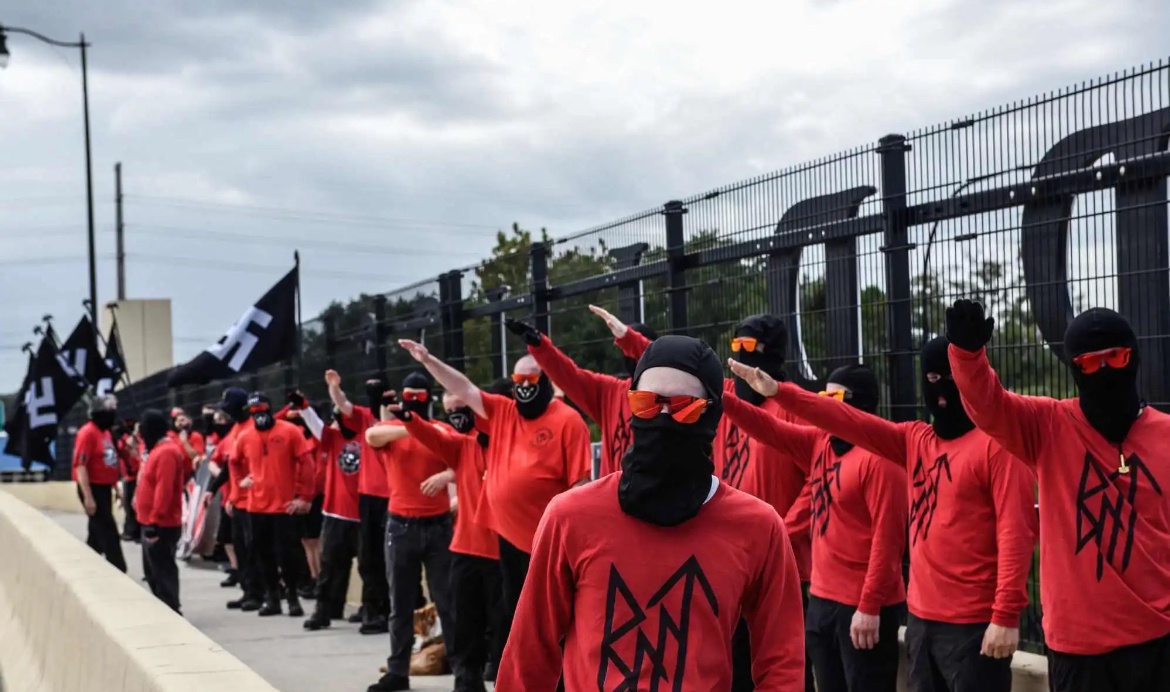
Among the more notable features of the updated policies is a requirement that anyone wearing a face mask for the purpose of concealment must present an ID to an Authorized University Employee. State law, enacted to combat the Ku Klux Klan, restricts the wearing of masks to conceal one’s identity. The law was rarely enforced last spring when protesters wore keffiyehs and COVID masks over their faces.
VCU’s policies are laid out in three documents: “Interim Campus Expression and Space Utilization,” “Interim Concealment of Identity,” and “Interim Student Code of Conduct.”
In communications to the university community, VCU officials also articulated principles for the issuance of university pronouncements in response to national and global events.
“As many institutions have found, well-intentioned statements may be received positively by some and negatively by others.” said Vice President of Student Affairs Aaron Hart, reports WRIC News. While VCU leaders “do not typically issue statements,” they will “consider doing so if there is a direct connection to the university’s core function and mission.”
VCU’s announcement comes a week after Virginia Secretary of Education Aimee Guidera urged Virginia’s public universities to update their codes of student conduct and related university policies before students return to school this month. Specifically, she asked universities to address policies regarding disruption to school functions, violations of the law, unlawful masking, erection of encampments and tents, and the use of university facilities by outside groups.
Virginia Tech, the University of Virginia, and the University of Mary Washington, where many pro-Palestinians were arrested, have not yet released any revisions to their codes of conduct.
VCU’s interim policies go into effect immediately, although the university reserves the right to modify them in response to feedback.
“Specifically, antisemitic, anti-Muslim, anti-religious or race or ethnic-based threats are taken seriously and are investigated in accordance with state and federal laws and applicable policies,” Hart said in a press release. “We expect students, faculty and staff to adhere to VCU policies; violations can lead to disciplinary action.”
Campus expression and space utilization. VCU policy prohibits unauthorized encampments like the one that led to clashes with university police and the arrest of 13 students in the spring. States the policy:
“Prohibition of Encampment: Constructing, occupying, or sleeping in tents or camping on university-owned or operated properties is prohibited unless approved in advance by the University.” Sleeping outdoors with or without a tent between the hours of 12:00 a.m. and 6:00 a.m., is likewise prohibited.
Other general prohibitions potentially affecting demonstrations include:
- obstructing pedestrians or traffic;
- obstructing movement in and out of buildings, walkways and driveways;
- occupying university property without authorization;
- failure to comply with reasonable instruction by university police or officials;
- affixing flyers, signs, posters, banners in violation of university policies;
- organizing any “Major Event” without written authorization.
Concealment of identity. VCU policy is clear and unambiguous: “Any individual who is present on University Property or attending a University Event who is wearing a mask, hood, or other covering whereby a substantial portion of the face is hidden or covered to conceal the identity of the wearer, must present an Identification Document when requested by an Authorized University.”
Student code of conduct. The Student Code of Conduct details prohibited student behaviors, including disorderly conduct or disruption to the conduct of routine university activity.
Examples include: blocking entrances, corridors or exits; unauthorized presence in buildings after normal closing hours; interfering with vehicular or pedestrian traffic; and creating unsanitary conditions.
VCU’s restrictions and prohibitions are entirely reasonable. They provide ample opportunity for students to protest and otherwise express themselves — as long as they don’t infringe upon the rights of others. VCU administrators should be commended for responding so quickly to the Youngkin administration’s request and for communicating the revised policies to the university community before demonstrations occur and any change in the rules becomes a contentious issue.
Hopefully, the leadership at Virginia Tech, UVA and Mary Washington will act with a similar sense of urgency. VCU has shown that the task can be done. There is no excuse for failure.


Leave a Reply
You must be logged in to post a comment.