
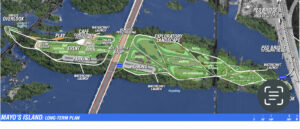
The Trophy in the Middle of the River
Share this article
ADVERTISEMENT
(comments below)
Comments
Comments
17 responses to “The Trophy in the Middle of the River”
-
So this is the RGGI tax money, which funds the Community Flood Preparedness Fund? I scratch my head how developing this green space/brownfield prevents or mitigates flooding (or the real excuse they run to for this boondoggle, “sea level rise.”) Great idea for a park, but absolute proof the RGGI scheme is just about using tax dollars to make voting blocs happy, not “fighting climate change.” I guess removing the asphalt will prevent runoff.
-
So this is the RGGI tax money, which funds the Community Flood Preparedness Fund? I scratch my head how developing this green space/brownfield prevents or mitigates flooding (or the real excuse they run to for this boondoggle, “sea level rise.”) Great idea for a park, but absolute proof the RGGI scheme is just about using tax dollars to make voting blocs happy, not “fighting climate change.” I guess removing the asphalt will prevent runoff.
-
So this is the RGGI tax money, the carbon tax on electricity which funds the Community Flood Preparedness Fund? I scratch my head how developing this green space/brownfield prevents or mitigates flooding (or the real excuse they run to for this boondoggle, “sea level rise.”) Great idea for a park, but absolute proof the RGGI scheme is just about using tax dollars to make voting blocs happy, not “fighting climate change.” I guess removing the asphalt will prevent runoff, but if replaced with parking and sidewalks, no net benefit.
-
There is a lot of parking there right now. I suspect shifting to park use will indeed be a benefit in terms of stormwater discharge.
-
-
I’m pretty sure Mayo Island is below the 100 yr flood zone and has no water/sewer so would be better suited as a park however, money from a fund entitled “Community Flood Preparedness Fund” makes me wonder how Mayo meets the stated purpose of the grant.
So, yeah, I’m agreeing with Haner here. This seems not an appropriate use of RGGI money and this will be used by opponents to show that it walks and talks like a boondoggle.
And there is no question that Mayo Island as well as the bridge is going to get submerged some day, climate change or not.
-
Mayo Island will make a great campground for hobos, homeless people, people temporarily experiencing homelessness, and bums.
-
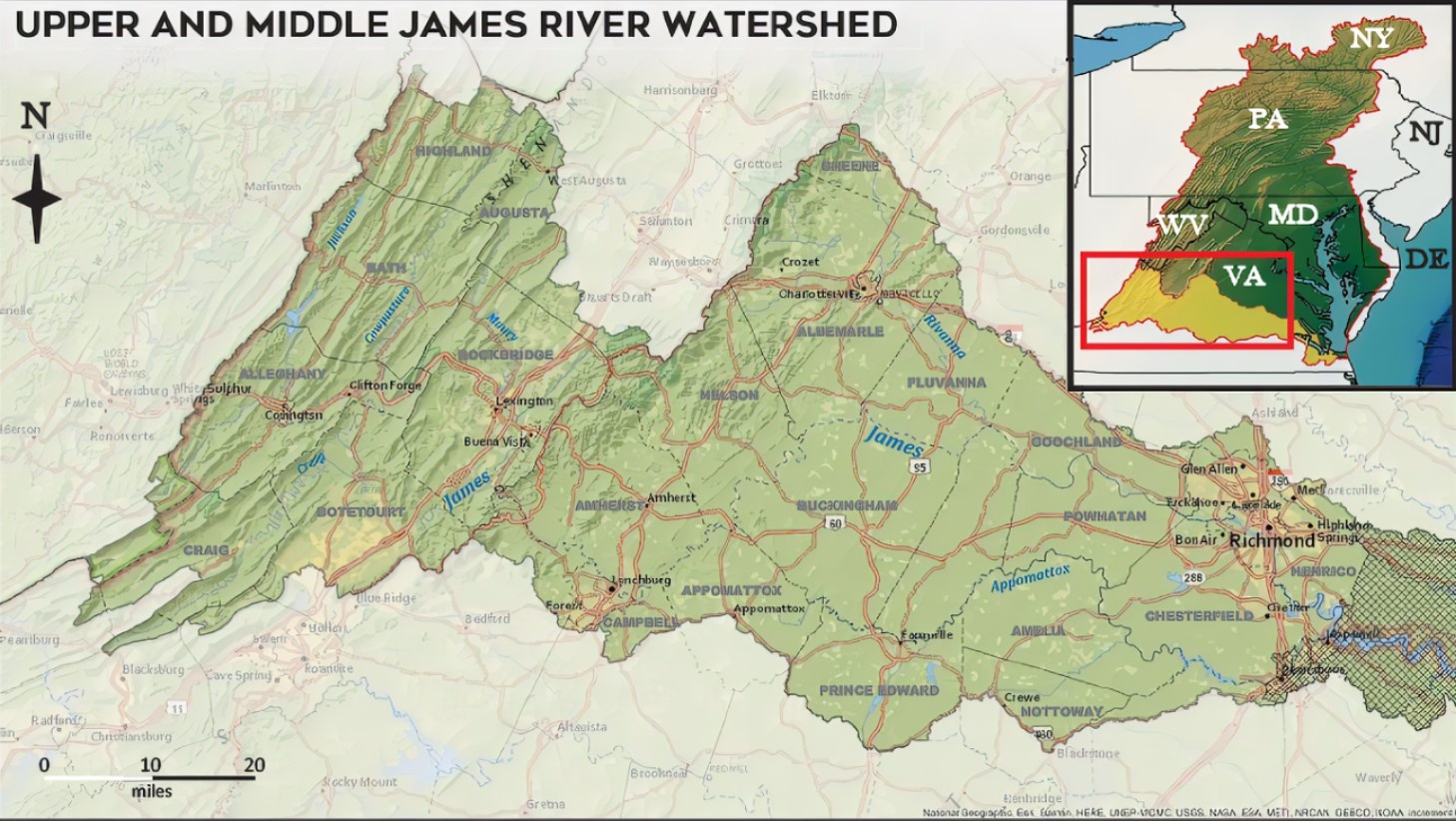
Remember the flood of 1942? I don’t but I heard so many stories about it I feel like I was there. State wide disaster. Mayo Island will flood again and again. Nearly 1/3 of Virgnia’s watershed is the James River. Better leave in the hands of mother nature. She will have her way.
https://uploads.disquscdn.com/images/4349faed45fa2bd6861b282589145f8abbb2193fd39ee18665f5b942ce4da521.jpg-
You do mean 1972, right? Agnes?
I remember Agnes in 1972, but I was not in Richmond. I lived n Virginia Beach where we had our own problems. I only saw the flooding in Richmond on the TV, but it was impressive.
-
1904, 1911, 1937, 1949, Each generation is treated to memorable flood. 1942 was widespread. Wiped out a great number of the old fashioned iron trestle bridges on major roadways.
-
I have no doubt the 1942 flood did those things. However , the all-time worst flood in Richmond may have been in 1777. Due to a lack of data, that flood cannot be precisely measured or compared to more recent events.
Then there is Agnes in 1972, which is the worst flood since records began being kept in 1816.
The flood of 10/17/1942 had the 16th highest crest on record at 19.80 feet.
For the period of record (1816 to present) the top ten worst floods in Richmond are, in order of maximum crest height (ft):
06/23/1972 – 28.62; 08/21/1969 – 24.95; 11/07/1985 – 24.77; 03/19/1936 – 23.42; 04/27/1937 – 22.65; 04/18/1987 – 21.91;
08/18/1940 – 21.80
09/20/1944 – 21.80; 10/07/1972 – 21.76; 09/08/1996 – 21.23The data indicate a total of 193 floods of Stage 12 or higher during the period of record. That’s one flood every 1.07 years.
Your point is well made. Mayo Island should probably be allowed to return to a wild state.
Flood Category (by crest height):
Minor = 12 ft to 14.99 ft
Moderate = 15 – 21.99 ft
Major = 22 ft or greater* Primary data source is records from Henrico Stream Gage located at
Lat: 37.563; Long: -77.547
-
-
-
-
“The City of Richmond’s Riverfront Plan, a long-term package of improvements along the James River that would cost about $60 million, envisions turning the island into a park. The idea of a Mayo Island Park was also discussed as part of the Downtown Master Plan and in earlier city discussions.
Shaia said he thinks the land is best suited for development. He noted that the city has “many, many acres of parks” already, including Belle Isle just upriver. He said one option could be to develop part of the land and create a park on another.
Most of Mayo Island is below the 100-year flood line, which makes zoning changes, especially for potential residential development, difficult from a regulatory standpoint.”
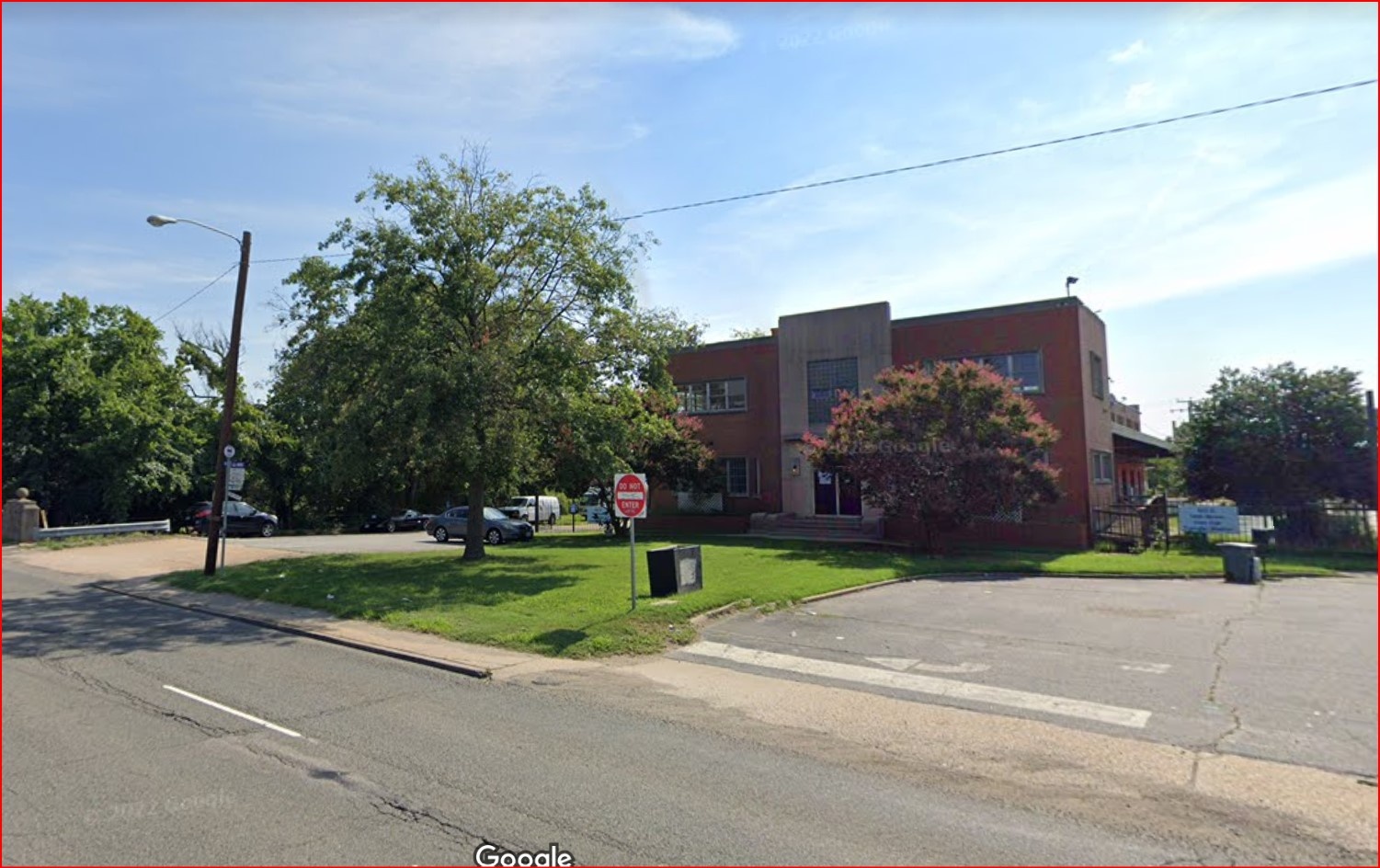
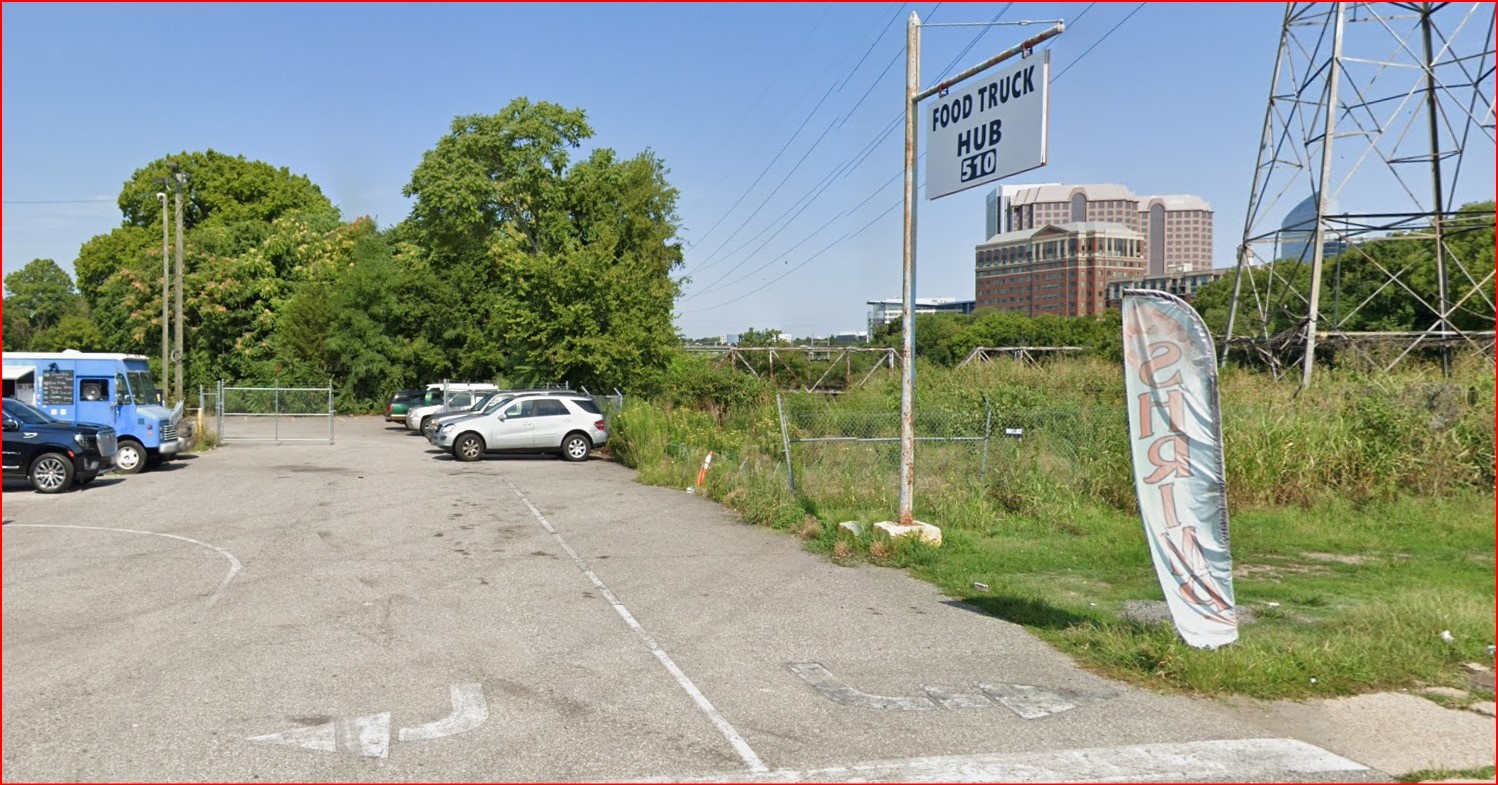
Commercial development, according to the plan, would require building a secondary access route to the island that is higher than the current bridge and above the line of the 100-year floodplain. The island is not connected to the city’s sewer system.”and yet, a street view shows this commercial building which almost surely had bathrooms:
-
A park which is designed intentionally to be inundated from time to time is the only logical use. But doing that won’t “mitigate” anything downstream and it makes no sense to spend flood control dollars to develop a park. Better uses for those dollars should be found.
-
A park which is designed intentionally to be inundated from time to time is the only logical use. But doing that won’t “mitigate” anything downstream and it makes no sense to spend flood control dollars to develop a park. Better uses for those dollars should be found.
-
-
The bigger and more significant costs of a “park” (or other facility that is intended to be used by the public – as opposed to set aside and just “preserved” – eg a Conservation Easement or equivalent), is not the initial acquisition of the land but the follow-on daily/weekly/annual operation and maintenance costs.
Simple things like maintaining trails, sanitation (bathrooms) , and security cost money on an ongoing basis. If there actually is an in-place financial plan to operating a prospective park then good on them (despite the fact it is a designated flood zone which means cleanup, repairs, rebuilding costs also).
If there is no financial plan, it’s problematical and the folks that provide such grants should preclude any grant award for something that does not have a follow-on O&M plan because the money will essentially be wasted/squandered on a facility that will ultimately be abandoned or one that stays in continuous disrepair for lack of funding.
For me, this is not about RGGI per se (Haner’s thing) but rather ANY grant-awarding entity with regard to using grant money to purchase land that is not being contemplated to be set aside and will incur ongoing O&M costs.
Virginia State parks have this issue. They can get the land fairly easily, often by donations of estates but once the land is developed into a park facility, there are costs, and Virginia State Parks have no additional money other than what the GA chooses to give them over and above prior year funding… and that funding is not one-time, it’s a permanent increase incurred in the state budget.
Organizations like the American Battlefield Trust or the Nature Conservancy that do acquire land but choose to set it aside to preserve in place rather than turn it into a public-use “park” that requires annual O&M funding.
Even setting land aside can incur annual costs of just trying to maintain the land – for instance to prevent activities like use by off-road vehicles, target shootings, etc.
Both the ABT and NC (and other such “preservation” orgs) also try to focus their efforts on properties that have “significance” , historical, recreational, cultural and a Federal, State or Local government will take procession of the land and fund the continuing O&M needs.
Seems like Richmond has had “plans” for Mayo off and on so perhaps they are in the picture at some point beyond wishful thinking.
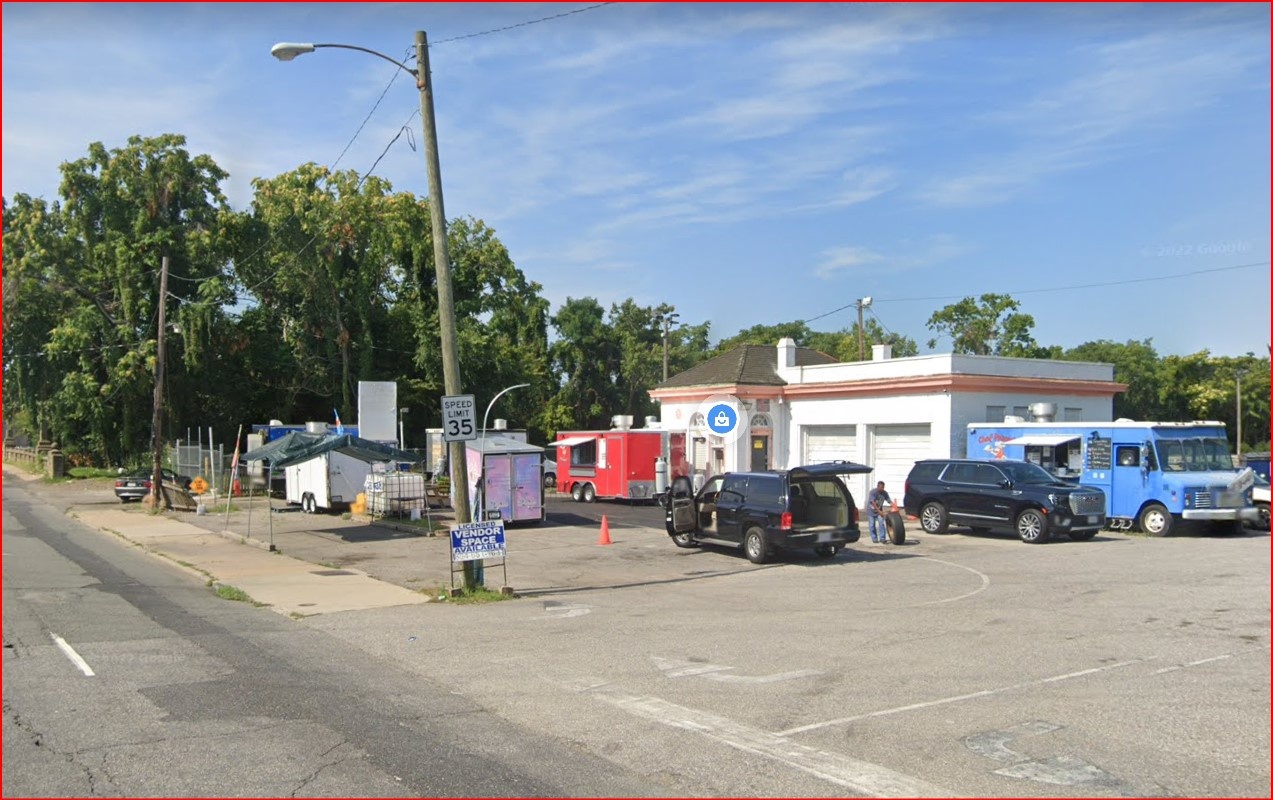
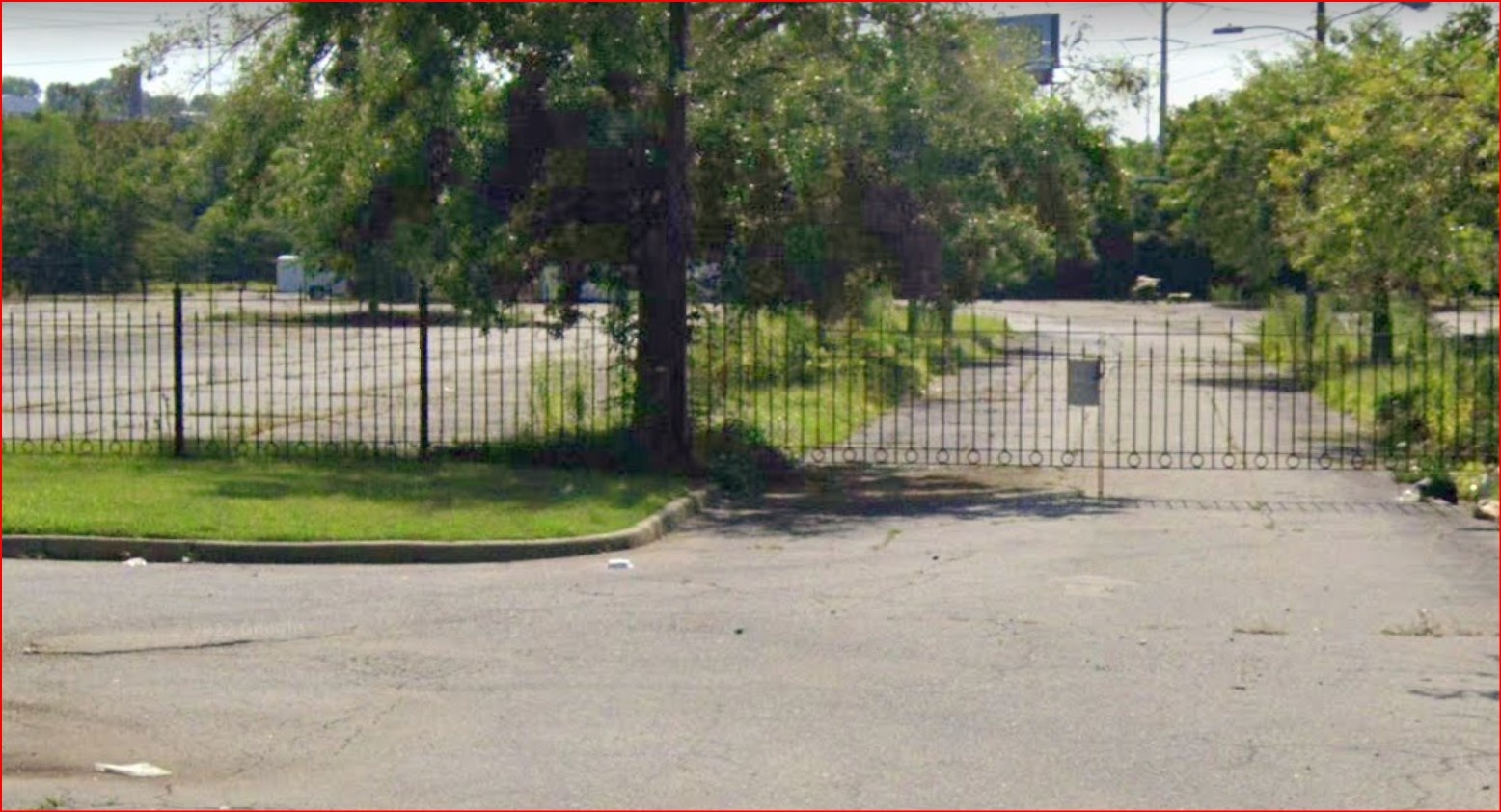
Right now “access” to the more natural parts of Mayo Island look like this – which will keep out most law-abiding folks but not the feral types:
-
“Mayo Island is a very different part of the river, where people could fish, put in a paddleboard or canoe or kayak.”
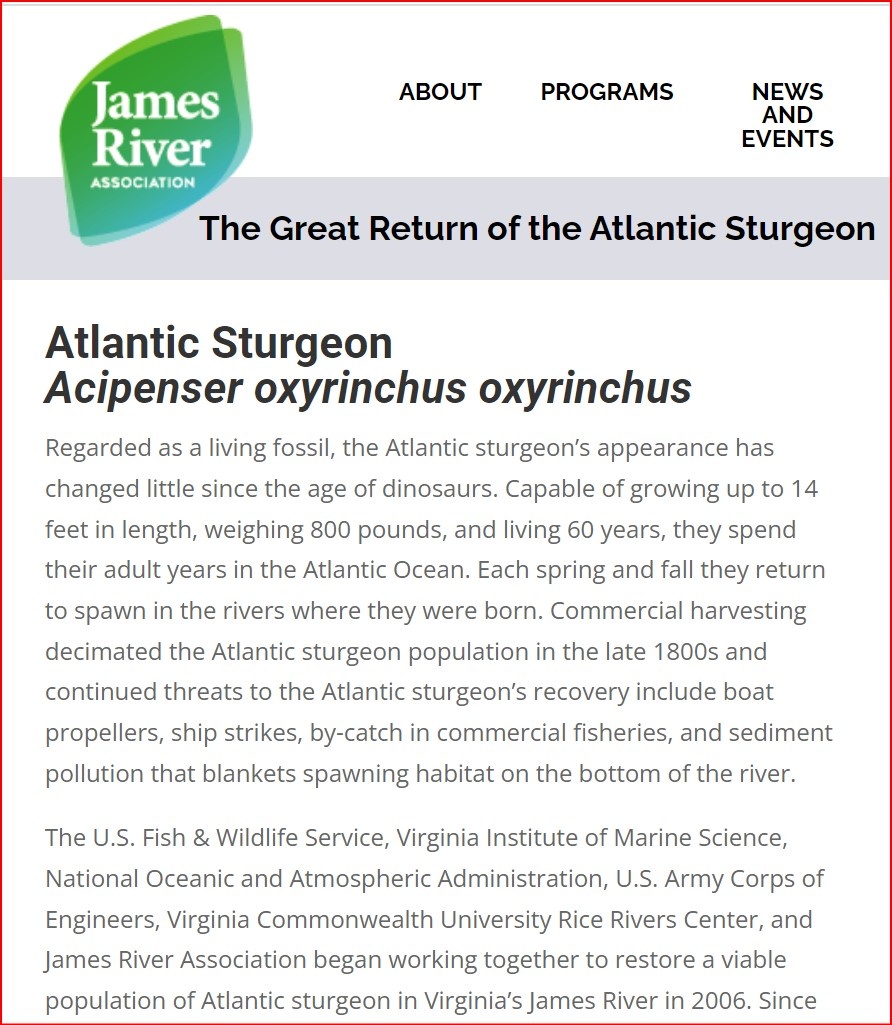
Hopefully, the fishing does not include keeping American shad.
-
and yet…..
https://thejamesriver.org/great-return/
Now I have to ask you given your dislike of govt… is this something the govt should not be involved in and leave it to more competent players?
-
I’d like them to explain how the ability to “fish, put in a paddleboard or canoe or kayak” makes Mayo Island a “very different part of the river”. There are numerous places where those activities can be engaged in along the James River.
-


Leave a Reply
You must be logged in to post a comment.