By David Stevenson,
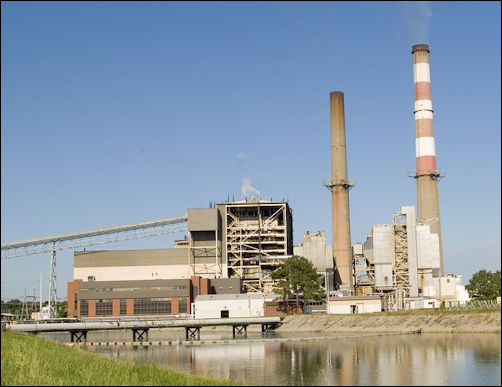
PJM Interconnection, the organization that manages the electric grid for 13 states including Delaware, has confirmed what the Caesar Rodney Institute (CRI) has long argued: state mandates are raising bills and straining reliability. Delaware policymakers now face a choice—continue policies that risk higher costs and outages or adopt measures that keep power reliable and protect families from higher bills.
For years, PJM largely went along with state energy policies, building infrastructure and running markets around political mandates, even as costs rose and reliability weakened. As complaints over rising bills mounted, state officials began deflecting blame on PJM.
Until recently, PJM’s leaders avoided confrontation, preferring a cautious approach. That stance shifted when Aftab Khan, PJM’s executive vice president of operations, planning and security, published a commentary in Utility Dive. “We at PJM need realistic solutions, not politics, to take on energy challenges,” Khan wrote. “Some public narratives have presented an inaccurate picture of PJM’s role in cost-effectively keeping the lights on. Here are the facts.”
State policies urging 100% of electric power to come from wind and solar power have struggled to deliver consistent results. Baseload power plants, such as those operating on natural gas, coal, oil, hydropower, and nuclear energy, can run 24/7 and respond to high demand on hot or cold days. Wind and solar often underperform just when electricity is needed most. For example, according to the real-time data from Electricity Map:
(more…)