by Todd Truitt
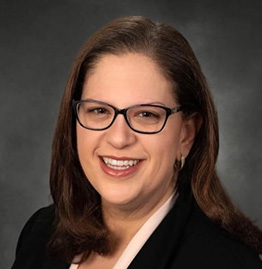
A Virginia Senate bill sponsored by Senator Stella Pekarsky, D-Fairfax County, would tighten the state’s school student cellphone ban law by replacing the word “restrict” with “prohibit,” a change supporters say is necessary after local school divisions — particularly Fairfax County Public Schools (FCPS) — interpreted the current statute more loosely than lawmakers intended.
The issue traces back to legislation passed by the General Assembly in 2025 requiring every local school board to adopt policies that “restrict, to the fullest extent possible,” student possession and use of cellphones during the regular school day (with exceptions if required by an “Individualized Education Plan, Section 504 Plan, individualized health care plan, or Limited English Proficiency plan”).
But the law’s “restrict” phrasing quickly became controversial, with districts like FCPS arguing that the statute allowed for lunch exceptions since it used the word “restrict” rather “prohibit.” In response, Sen. Pekarsky and Senate Majority Leader Scott Surovell, D-Fairfax County, sent a letter to FCPS stating: “The intention of lawmakers in passing this law was to clarify that during class, lunch, and between classes, students are NOT permitted to use their cellphones at any time.” Notably, Pekarsky was the co-sponsor of the 2025 cell phone ban legislation that became state law and, prior to joining the Senate, was an FCPS School Board member.
Despite the letter, the FCPS School Board adopted a policy that bans cellphones, but allows high school students to use phones during lunch in designated areas. Similarly, the School Board for Arlington Public Schools adopted a policy allowing high schools to “designate a particular location and non-instructional time during the school day in which phones or devices can be used briefly by students.”
And just last month, the School Board for Loudoun County Public Schools (LCPS) was discussing updating its cell phone ban policy to comply with state law, which included a robust disagreement as to whether “restrict” meant “prohibit” (even despite LCPS Superintendent Aaron Spence citing the law’s patrons’ expressed intent to mean “bell-to-bell” without exceptions).
(more…)