 by Donald Smith
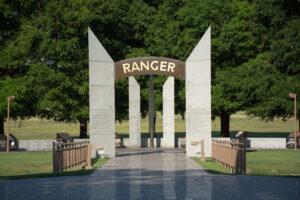
In April, in Georgia, a correction morphed into an overreaction. As part of the ongoing process to change the names of military bases named for Confederate generals, Fort Benning became Fort Moore. Around the same time, the National Ranger Memorial Foundation (NRMF) responded to a directive from U.S. government officials. The NRMF sent workmen to the Ranger Hall of Fame stone tablet, created and maintained on Fort Moore by the foundation, and covered a single name — John S. Mosby. The workmen also pried up bricks that commemorated Confederates in the foundation’s Ranger Memorial Walk. An exhibit on Mosby at the National Infantry Museum was also removed. With those actions, an understandable effort to modernize Army base names degenerated into pettiness.
The Naming Commission, an investigative body established by Congress, recommended that all Army bases named for Confederate generals be renamed. I am a great-grandson of Confederate cavalrymen — and I freely admit the commission had a point. In 2022 the Army had more major active-duty bases named for Confederate generals who lost the Civil War than Union generals who won it.
But the Naming Commission went farther than base names. Much, much farther. It looked for every street name, every monument, plaque, and sign on DoD facilities that might be perceived to show Confederates in a positive light. Like Dr. Seuss’ Grinch, it relentlessly searched for every last can of Confederate Who-Hash! It then recommended that, with few exceptions, all be removed or changed. Apparently Congress didn’t reject any of the commission’s recommendations; that has caused names to be covered on stone tablets, memorial bricks to be pried up and (soon) campaign streamers that commemorate Confederate service to be removed from Army National Guard colors. (more…)







 by Dick Hall-Sizemore