
by James A. Bacon
Opting into an NCAA settlement that professionalizes college athletics, Virginia Commonwealth University has decided it will pay its student athletes a total of between $4 million and $5 million a year, reports the Richmond Times-Dispatch.
“Amateurism as we know it is dead,” Athletic Director Ed McLaughlin told the school’s Board of Visitors. “There is a new collegiate model.”
How to divvy up those funds between different men and women’s track, soccer, tennis and basketball teams is one big question. Another is where the money will come from. The VCU athletics budget was roughly $45 million in fiscal 2023, according to the RTD. A big chunk of that sum comes from students who pay a $1,400 athletic fee.
VCU will ask donors to make gifts, and the athletic department will review its revenue and costs, McLaughlin said. VCU is not planning to add a surcharge to ticket prices like the University of Tennessee’s 10% “talent fee.” It won’t be easy, McLaughlin conceded. “We have to make the financial jigsaw puzzle fit together.”
Every university participating in a major athletic conference faces the same dilemma. And I’m betting that most will find a way to pay their student-athletes. They’re stuck. Universities have huge sunk costs in their athletic programs, often including debt on stadiums and athletic facilities, that must be repaid.
Athletics is a critical tool for building alumni loyalty, engagement… and donations. And winning athletic programs generate positive publicity and boost admissions applications, which is becoming all the more essential as the college-age population shrinks and students rebel against the high cost of attendance.
A likely controversy at VCU will be whether or not to jack up student athletic fees to counteract any shortfalls in donations. The cost of attendance (including room and board) for in-state students can run as high as $16,000 to $17,000 a semester before financial aid. VCU is already charging what the market will bear.
The Richmond-based university did experience record enrollment in the 2023-24 academic year, but only by accepting a record 92.9% of applicants, meaning that it granted admittance to almost anyone who applied, and by boosting financial aid, meaning almost no one paid the full freight. In the 2013-14 academic year, 26% of students paid top dollar without benefit of loans or gifts. By 2021-22 (the most recent year for which data is available), the percentage had declined to 2%. There’s not much wiggle room left.
There’s also an ethical question. Many VCU students never attend a basketball game. Why should those kids be dunned $1,400 a year — $5,600 over a four-year undergraduate program, most of which will be borrowed — to support programs that add no value to their college experience?
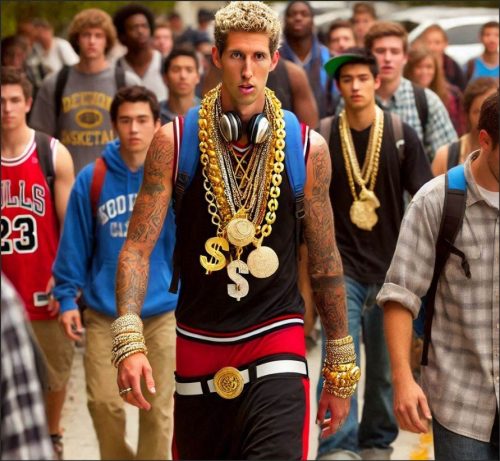
The bottom line seems obvious to me: If alumni and fans like VCU men’s basketball, then alumni and fans should pay for it. The burden should not be transferred to kids struggling to pay their way through school. Even if alumni and fans do manage to cough up the funds, I’d still be ambivalent. It would be a travesty for student athletes getting paid a hundred grand a year to swagger around campus while the vast majority of VCU students are racking up student loans.


Leave a Reply
You must be logged in to post a comment.