
by James A. Bacon
The Joint Tax Subcommittee of the General Assembly is convening in Richmond today to discuss how to make Virginia’s tax code more “fair and equitable,” reports Michael Martz in the Richmond Times-Dispatch.
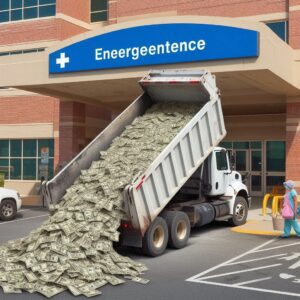
When the Democrat-controlled legislature says it wants to make taxes more “fair and equitable,” it’s time to reach for your wallet. What’s “fair and equitable” to Democrats is rarely fair and equitable to you and me.
Martz informs us that unnamed “officials” say the tax code needs to fix the overreliance on income taxes, a top state income-tax bracket kicking in at $17,000, service-sector exemptions to the sales tax, and… and here’s the kicker… “the need to generate more money to pay for K-12 public education and the state’s share of Medicaid health care costs.”
Governor Glenn Youngkin is pressing for tax cuts, not tax increases. But House Finance Chair Vivian Watts, D-Fairfax, whom the RTD assures readers “prefers a long-term outlook,” accuses Youngkin of playing politics. “That’s the politics of the only state with a one-term governor,” she said. “You don’t do tax reform just for a political agenda.”
Got it. Republicans wanting spending restraint and tax cuts is a “political agenda,” while Democrats raising taxes is just being “fair and equitable.”
Let’s look at K-12 and Medicaid spending, which supposedly need more of our money.
K-12 schools. Between FY 2019 and FY 2025, the budget for direct aid to public education increased to $11.5 billion, up 42% over six years, far exceeding the 22.6% increase in the Consumer Price Index between June 2019 and June 2024.
Medicaid. Between FY 2019 and FY 2025, Virginia’s Medicaid budget increased 93% to $24.3 billion, outdistancing inflation like Summer McIntosh left her Olympic swimming rivals in the bubbles of her wake.
For General Assembly Democrats, the solution to every social ill is always more government spending. The response is never to ask, hey, we’re spending tens of billions of dollars here, is that spending accomplishing what we expected of it? It’s never, hey, could we spend it more efficiently?
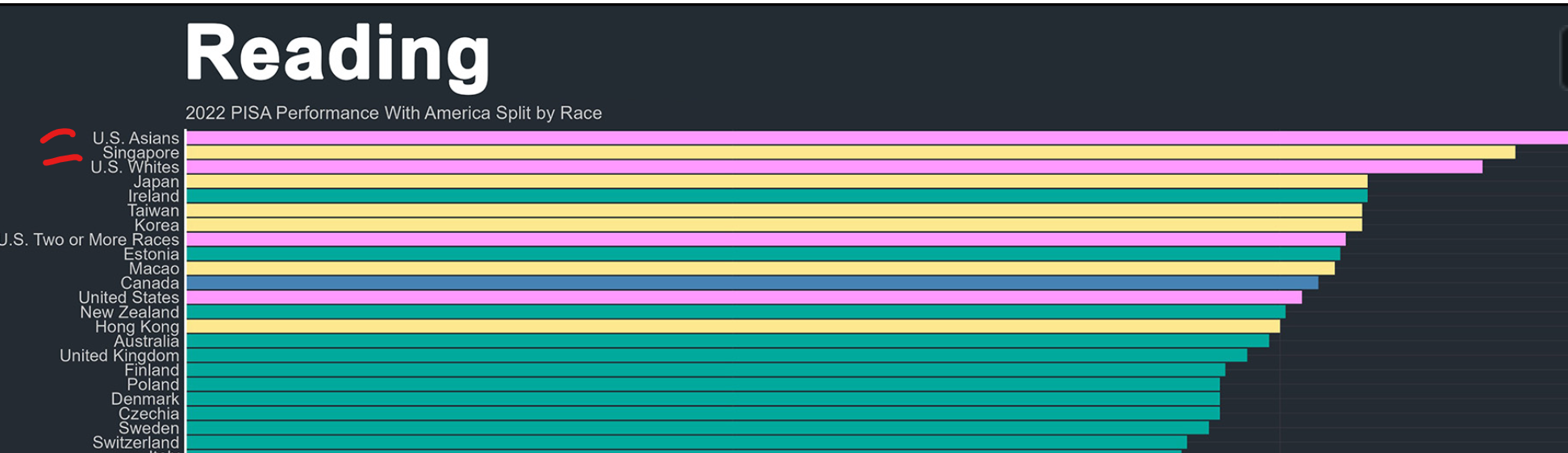
As it happens, Virginia taxpayers have legitimate reason to question whether the tens of billions shoveled into K-12 and Medicaid are being spent to good effect. Academic achievement levels have plummeted since 2019. (It’s possible Standards of Learning scores recovered somewhat last year — we’ll find out more when this year’s scores are released.) Why do the hard work of fixing cell-phone abuse, classroom disruptions, and collapsing academic standards when you can just throw more money at the problem and pretend you fixed them?
Meanwhile, how’s Medicaid expansion working out? Admittedly, it’s hard to disentangle morbidity and mortality statistics from the impact of COVID-19, but do we have any evidence that Medicaid expansion has improved health outcomes for poor Virginians or made the system more efficient? We were promised that Medicaid expansion would move patients out of expensive emergency rooms and into less-expensive settings. Has that happened? Or did the brainiacs who designed Medicaid expansion neglect to factor in the increasingly acute primary-care doctor shortage?
Maybe the Democratic Party legislative leadership will astonish voters by working with Youngkin in his effort to provide tax relief for Virginians.
But then, maybe not. As Martz reports:
“I look forward to working with the General Assembly to do just that in the next legislative session,” he said.
In an interview Monday, Senate Finance Chair Louise Lucas, D-Portsmouth, called the governor “a lame duck” and said, “Tell him good luck with that.”


Leave a Reply
You must be logged in to post a comment.