
By Steve Haner
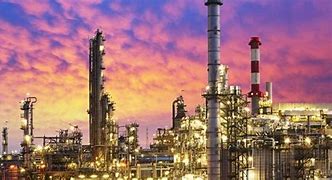
Virginia’s Legislative Black Caucus has endorsed legislation that demands oil, natural gas or coal companies that operated in Virginia at any time since 1995 pay a fine (to be determined) for presumed damage to the climate and for extreme weather.
Before dismissing this out of hand, know that the State of New York has already passed such a law and is demanding $75 billion over 25 years from many of the same companies, most of them national and international firms. Its Democratic Governor Kathy Hochul could not be prouder of the accomplishment, as you can read here.
The Virginia bill sponsored by Delegate Rae Cousins, D-Richmond, was part of a long list of bills endorsed Tuesday by the influential Black Caucus, which of course includes the Speaker of the House and the chairs of numerous key committees in both the House and Senate. Other bills on the list have already cleared committees. The Black Caucus release describes the bill thus:
The Extreme Weather Relief Act will require large fossil fuel companies to help offset mounting costs of extreme weather caused by climate change.
Law firms are advising this is a trend. This has legs.
The Virginia legislation sets no specific amount of damages due but authorizes the State Treasurer “with any other person or entity whom the State Treasurer decides to consult” to determine the companies to be held liable, the overall amounts to be collected and the share to be assessed on the various companies or any successor business. Any company which the Environmental Protection Agency records as responsible for major greenhouse gas emissions of all kinds over that 30 years is on the target list.
Virginia would then spend the money on protecting against or mitigating pretty much anything that climate alarmists can claim has been caused by a slightly warming atmosphere (panic has recently ensued because the 1.5 degree centigrade Paris Accord warming limit has been breached. Catastrophe will now ensue.)
The storm damage in Southwest Virginia would surely qualify for money from the new Extreme Weather Relief Fund. So would flood protection or stormwater projects. So would, the bill states, “direct relief in the form of monetary payments to individuals and businesses impacted by extreme weather events; providing direct assistance to localities recovering from extreme weather events; providing medical care to treat illness or injury caused by the effects of extreme weather.”
The list of possibilities is endless, but this is a Democratic initiative, of course, so at least 50 percent of funds must be spent in “environmental justice communities.”
The bill is veto bait, certainly. It will be interesting to see if the Democrats actually do push it out of committee and onto the floor for recorded votes.(Fingers crossed.) This is worth reporting merely for what it says about the mindset that has overtaken that party and its base voters, and their level of economic understanding.
If every state imposes such costs on every oil, gas and coal industry that has nexus with that state, what will the ultimate totals be? Bankruptcy is one likely outcome in many cases (many who support this would cheer), but otherwise the money will have to come from current and future consumers. There is no other place to get it and stay in business. And when the price of needed energy further soars, the same crowd of wreckers will also cheer.
What Virginia needs, but among the scores and scores of energy bills what cannot be found, is some legislation to protect Virginia consumers from this madness. Without such a bill, even if the Virginia version falters, any other state that collects this money will be collecting it in part from Virginians. Every affected business would seek to spread the cost around as much as possible.
And remember, this would be collected mainly from fuel companies so it would increase gasoline prices, home heating costs and industrial fuels. It will be in addition to the cost imposed on electricity consumers if or when the same Democrats restore the Regional Greenhouse Gas Initiative. And as discussed yesterday, power consumers may also have to fund future deficiency payments if the utilities miss the goals of the Virginia Clean Economy Act.
But this isn’t about the money. It is about saving the planet. Really.


Leave a Reply
You must be logged in to post a comment.