No Dinosaurs Were Harmed in Fueling Your Car. It’s “Carbon Fuel.”

None of us would like to be called a fossil, even as we grow to resemble one. The term implies antiquity, obsolescence, failure, even passage beyond the point of extinction. As a contrast to the commonly popular term for “renewable” fuels, the label “fossil fuel” carries huge baggage. This is not an accident. In the race for public acceptance, “fossil fuels” start with a brontosaurus tied on as dead weight. (“Mom! Don’t put that in your car! It was a dinosaur!”)

But it wasn’t. Thick beds of ancient plant matter, plankton and microbes built up and then were covered under earth and chemically decayed into these fuels, over great stretches of time, much as is still happening with peat (another carbon fuel.) Technically, they could be called biofuels quite correctly, but to distinguish them from the modern biofuels being brewed or distilled from fresh plant matter, the extracted ancient versions can be called carbon fuels.

And, agreed, they are not renewable, given the long lead time of their creation. In theory they could run out. Such a prediction is made all the time, and all the time they keep finding more. Good stuff. We still need carbon fuels, parts of the world are just getting around to using them in homes, and they will be in heavy use for decades and decades to come.

Pages: 1 2


ADVERTISEMENT

(comments below)


Comments


Comments

144 responses to “No Dinosaurs Were Harmed in Fueling Your Car. It’s “Carbon Fuel.””

  1. Nancy Naive Avatar
    Nancy Naive

    I like it! Youโ€™re right. Carbon fuel is the proper descriptor. That way, when speaking of carbon reduction, we know exactly the target.

    1. Lefty665 Avatar

      and when we make modern bio-fuels we can call them carbon copies…

      1. Nancy Naive Avatar
        Nancy Naive

        Always so messy too.

    2. Stephen Haner Avatar
      Stephen Haner

      Even ubiquitous carbon has taken on ominous vibes in this agenda-driven age, but being carbon-based ourselves, what do we fear?

      1. Nancy Naive Avatar
        Nancy Naive

        Reduction? Maybe more specificity? Carbon-12 fuels, and Carbon-13+ fuels. Wood is a carbon fuel too.

      2. Eric the half a troll Avatar
        Eric the half a troll

        You should go with carbon-positive, carbon-neutral, and carbon-negative fuelsโ€ฆ

  2. Chip Gibson Avatar
    Chip Gibson

    As long as we never run out of Miller Lite, I am good.

  3. Troublemaker Avatar
    Troublemaker

    I thought it was called fossil fuels because us old fossils use them in our cars ๐Ÿ˜‚

    1. Chip Gibson Avatar
      Chip Gibson

      Darn tootin!

  4. Dick Hall-Sizemore Avatar
    Dick Hall-Sizemore

    You make a good point about how changing the label or name for something can change, or try to change, its political perception. Another prime eample is how people who oppose restrictions on abortion no longer talk about "abortion rights" or being "pro-choice". Now, the key term is "reproductive freedom."

    Somehow, I don't think the term "carbon fuels" will change the conversation.

    If I had thought about it, I would have concluded that "fossil fuel" referred to fuel derived from dead plants (in the ground) in contrast to fuel from live plants, i.e. wood.

    1. LarrytheG Avatar
      LarrytheG

      It's a bit of silly semantics. How many here have burned coal in a basement boiler? How about fuel oil? Are we hypocrites because we prefer to get "clean" electricity for our HVACs and hot water and we're fine if they burn that coal somewhere else so we don't have to have it in our own home?

      1. how_it_works Avatar
        how_it_works

        The biggest problem with heating your house with coal is probably that someone has to shovel it into the boiler on a regular basis.

        Gas and liquids can easily be fed into the boiler via gravity, a pump, or pressure. Much less labor intensive.

        Fuel oil is still very commonly used for heating in the northeast, and my neighbor apparently still uses fuel oil to heat their house built in 1975. (There are no natural gas lines here, so the other options are propane or an electric heat pump. I believe that an electric heat pump is cheaper to run than a propane or fuel oil furnace).

        1. LarrytheG Avatar
          LarrytheG

          Can have coal boxes/chutes with automatic conveyors … but I bet HOAs wouldn’t allow… ๐Ÿ˜‰

    2. Nancy Naive Avatar
      Nancy Naive

      Natural gas v. Methane.

      1. LarrytheG Avatar
        LarrytheG

        Propane also I believe.

        none of the companies like Dominion come across as "deniers". They all say they think climate change is real and believe the science. Sounds like they've been co-opted by the greenies!

    3. Agree with you, Dick. That's one reason the term "carbon tax" rather than "fossil fuel" tax is used — because recently-living matter like wood pellets and dried dung is also carbon fuel. Another reason is the negative connotation of "burning fossils" versus the more abstract "oxidizing carbon."

      1. Dick Hall-Sizemore Avatar
        Dick Hall-Sizemore

        "Oxidizing carbon"! I love it!

  5. Lefty665 Avatar

    S.I. Hayakawa (professor & senator) in a book, "Symbol, Status and Personality", in the 1950s described how we tend to confuse things with what we call them. Framing before it was a thing. So this old fossilpiece thinks you've got it absolutely right. Change the pejorative name for that stuff that comes from the ground that we use to make our cars and trucks go and you will have changed the argument.

    If we adopt your language we could observe, as I noted below, that modern bio-fuels could be called carbon copies.

  6. David Wojick Avatar
    David Wojick

    Indeed, there are fossil plants but these fuels are not made out of them. They are only fossilish in the sense they are millions of years old.

  7. energyNOW_Fan Avatar
    energyNOW_Fan

    With all the bad-mouthing and the H-word, the public does not appreciate the fundamentals, that basically God put gasoline and diesel in the ground. It does not have to be manufactured, just clean-up a little bit. Alternately for example we could make fuel from scratch: eg corn ethanol which requires clearing forests and pesticides and fertilizers and runoff and mucho energy to create the bio-fuel in the first place. People prefer farmers over BigOil, but not better. Also for EV's a similar argument….it takes a whole lot of resources and energy to substitute for fossil fuels.

    However, with growth we need all energy sources until maybe late century they say population crash, and by then fossil fuel supplies probably in question.

    1. Chip Gibson Avatar
      Chip Gibson

      Was about to start a new comment, but you already broached the topic very nicely – fear of running out of fossil fuels, or carbon fuel, or oil should not be so prevalent or prevalent at all. Fuel use, at least in this Nation, will dramatically drop off during the next couple of generations.

      Since liberal Dem leadership consistently presents a platform of self-hate, Nation hate, Commonwealth hate, history hate, heritage hate, Southern hate, Constitution hate, Western Civilization hate, unborn baby hate, marriage hate, etc…..those tens of millions of unicorn sheep-like lib followers will continue to fall short in the basic human task of procreation and quickly spiral towards extinction…more fossils for future fuel need.

    2. LarrytheG Avatar
      LarrytheG

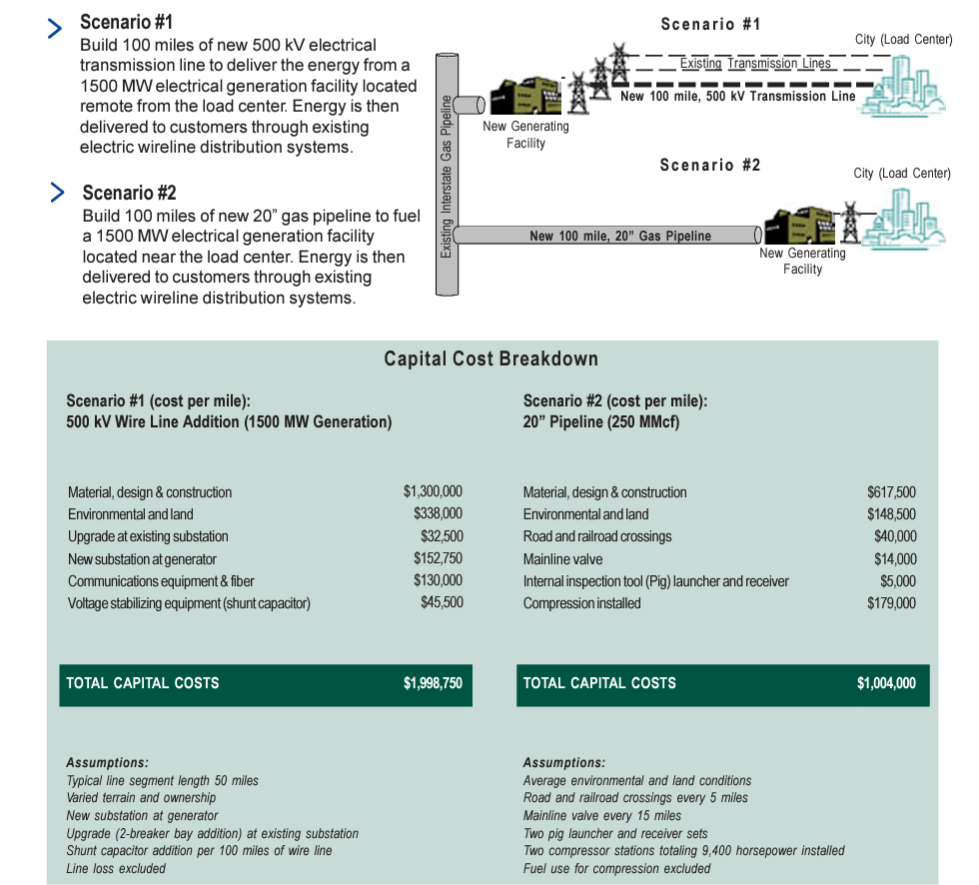
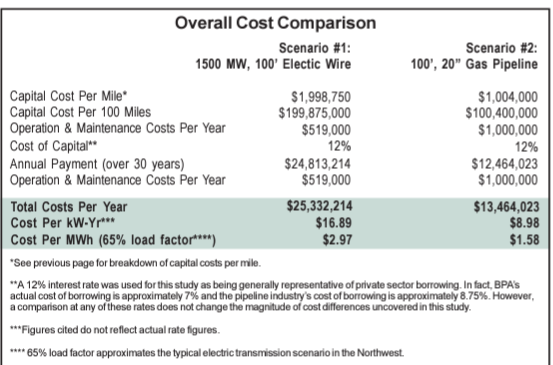
      The energy that is cheapest to move – is electricity. It goes on powerlines and not tankers, trains, pipelines and highways. And it crosses rivers and mountains and such much easier and cheaper than the others simply because it weighs far less and cost far less to transport to where it is to be used.

      Nothing to do with climate just plain old free market evolution.

      We invested in moving fuels physically before we discovered ways for electricity to heat/cool homes and we did transition away from it. Most folks do not heat or cool their homes with fuels that have to be physically transported, natural gas and propane excluded for now.

      The same thing is going to happen to cars and other vehicles. It's simply cheaper to fuel them with electricity than moving the fuel physically, now with the advent of batteries that are capable of moving the vehicles. AND the vehicles are cheaper to maintain, with fewer parts and lower costs to repair/fix.

      Some folks don't give a rats behind about "climate", they're getting the EVs because they are cheaper over the longer run
      and less trouble and expense to maintain.

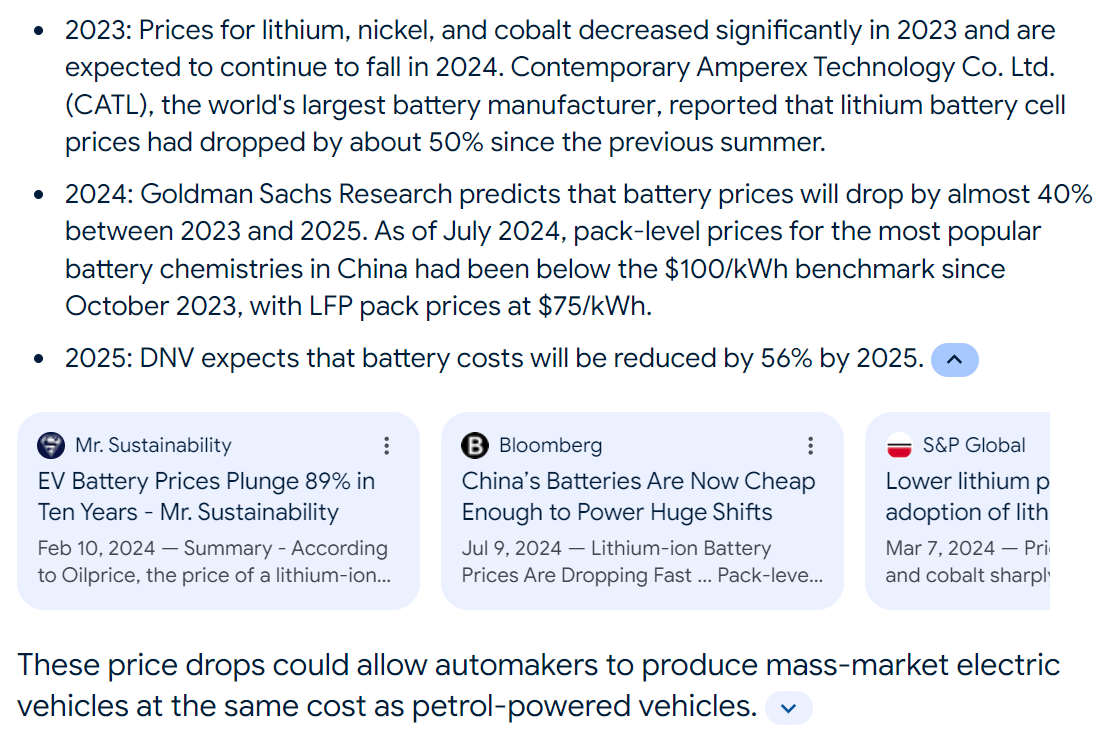
      As lithium inevitably evolves as most technologies have, and becomes cheaper and even less costly, it's going to become a no-brainer to get an EV over "obsolete" physical fuel combustion engines for many people.

      All this will happen without regard to "climate" nor the "deniers".

      We'll just back our way into the future.

      1. Teddy007 Avatar

        Many would argue that natural gas is the cheap energy to move since there is less loss along the way than electricity.

        1. LarrytheG Avatar
          LarrytheG

          Never seen a comparison but if true, why not move natural gas instead of electricity and use it to make
          electricity after moving it – even to the house level with back up gens? Call me a skeptic!

          1. Paul Sweet Avatar
            Paul Sweet

            Because the Greenies believe that methane is the most damaging thing in existence for the environment. Remember how they killed the Atlantic Coast Pipeline and how long and bitterly they fought the Mountain Valley Pipeline. A gas pipeline is much less visually obtrusive than an electric powerline once the grass has had a chance to get established.

          2. LarrytheG Avatar
            LarrytheG

            Well, BEFORE we ever worried about methane and greenies, what were the economics of moving gas rather than
            electricity? Before ACP or MVP, geenies or methane, we chose to build powerlines rather than pipelines ? Would it be easier/cheaper to build a pipeline over the Appalachians, rivers, highways, etc or a powerline?

            I could be. I’ve just never seen an economic comparison – again pre-greenies…

          3. how_it_works Avatar
            how_it_works

            Probably, one big natural gas generating plant is a lot more efficient and easy to control (emissions-wise) than hundreds of thousands of small natural gas generators.

          4. LarrytheG Avatar
            LarrytheG

            and all the distribuary pipes branching out and going to each of the houses?
            compare to propane?

          5. how_it_works Avatar
            how_it_works

            Propane is more expensive and is trucked to each customer. There’s a reason why I only have propane for a gas cooktop and a fireplace, and why I don’t use it for heating the house.

          6. LarrytheG Avatar
            LarrytheG

            yes. but could natural gas to piped to most every house so propane is not needed? cost of doing that added to the bill… You can use propane for the house if you don’t heat all the rooms , just the ones you are in and doing that can be cheaper than all electric HVAC for the whole house especially in frigid weather. zone heating/cooling could reduce those costs also, I’d think but not sure how much that would add to HVAC costs.

          7. how_it_works Avatar
            how_it_works

            It could be piped to most every house so propane is not needed.. but for the same reason why water is not piped to every house, it isn’t.

            (In general, there are some exceptions, if public water isn’t available, neither is natural gas).

            I actually do have a zoned system, two zones, upstairs and downstairs. It has a single air handler with dampers to send air to the floor with the thermostat that’s calling.

            You can still get those vent-free propane/natural gas heaters and they are still legal in Virginia, though I believe a couple of states have banned them. Could put one of those in every room and the ones made in the last couple decades even have oxygen depletion sensors which will shut them off hopefully before you die of carbon monoxide poisoning (if you forget to open a window slightly for ventilation).

          8. Teddy007 Avatar

            But a natural gas heater or water heater is more efficient than generating electricity at a huge plant and losing some of the power in the transmission.

          9. LarrytheG Avatar
            LarrytheG

            but you got to get that gas from where it is extracted to that gas heater so apples to apples for "transmission" from where the gas is (or burned) to where the gas used (or electricity generated from gas , used). Right?

          10. Teddy007 Avatar

            Some of the energy that generated by the power plant is lost in transmission. Almost none of the natural gas is lost in transmission. In addition, using the natural gas to make to heat to make electricity to make heat is much less efficient than just using the natural gas to make heat at the place it is needed.

          11. Eric the half a troll Avatar
            Eric the half a troll

            โ€œAlmost none of the natural gas is lost in transmission.โ€

            This source says 5% of electricity lost during transmission and distribution.

            https://www.eia.gov/tools/faqs/faq.php?id=105&t=3

            Natural gas transmission efficiency is a bit harder to define but according to this article it can get to the same range:

            โ€œIn the PHMSA database, which lists more than 1,400 gas companies, 72 companies reported lost and unaccounted for rates of 10 percent or higher. Two-hundred-and-seventy-five companies had a rate between 3 and 9.9 percent.โ€

            https://www.scientificamerican.com/article/how-much-natural-gas-leaks/#:~:text=Some%20losses%20are%20impossible&text=%22It's%20some%20black%20box%20that,lost%20and%20unaccounted%20for%20gas.

            That does not mean these transmission losses are all due to leakage to the atmosphere. I have seen that figure ranging between 1-3% – hardly inconsequential though.

          12. LarrytheG Avatar
            LarrytheG

            Is it true that there are zero losses of the natural gas in transmission? I agree there are losses when burning
            gas (any fuel) to produce electricity then losses from moving the electricity. But if this is the case, why
            don’t we have gas pipelines to every house instead of power lines ? Not a one-to-one replacement?

          13. Teddy007 Avatar

            Because the efficiency for natural gas is only for heating, not for making electricity. No one ever looks clever by intentionally misunderstanding.

          14. LarrytheG Avatar
            LarrytheG

            A truly honest question. no intent to misunderstand. You CAN make cold from gas AND if you can
            move gas more efficiently than electricity, why not move the gas and make electricity at the house?
            These are honest questions. If gas is better, cheaper, more efficient, why didn’t it beat electricity?
            is it because natural gas was not originally abundant and cheap?

          15. Teddy007 Avatar

            If one spent a little time investigating, the large generation plants are more efficient than one’s generator sitting in the backyard. However, for heating water or air, natural gas is more efficient at the household level than electricity. See the geographic limits of having an all electric home and a heat pump.

          16. Teddy007 Avatar

            If one spent a little time investigating, the large generation plants are more efficient than one’s generator sitting in the backyard. However, for heating water or air, natural gas is more efficient at the household level than electricity. See the geographic limits of having an all electric home and a heat pump.

          17. LarrytheG Avatar
            LarrytheG

            I was thinking along the lines of using gas for what gas was good at and making electricity from the same on-site gas when needed. But then you say large generation plants are more efficient so that that mean it offsets electricity's disadvantage in transmission losses such that at the home, large-plant generated electricity is more efficient than on-site natural gas?
            These are questions not intended to "misunderstand", just actual questions.

            I assume that over time, the market chose electricity over gas to move physically from extraction to use but I've surmised that the economics may have changed if gas was much more scarce and more expensive in the past, and electricity won out because there simply was not enough cheap gas to compete head to head for "grid" power to households.

            Do you concur with that supposition or have a different one?

          18. LarrytheG Avatar
            LarrytheG

            I was thinking along the lines of using gas for what gas was good at and making electricity from the same on-site gas when needed. But then you say large generation plants are more efficient so that that mean it offsets electricity's disadvantage in transmission losses such that at the home, large-plant generated electricity is more efficient than on-site natural gas?
            These are questions not intended to "misunderstand", just actual questions.

            I assume that over time, the market chose electricity over gas to move physically from extraction to use but I've surmised that the economics may have changed if gas was much more scarce and more expensive in the past, and electricity won out because there simply was not enough cheap gas to compete head to head for "grid" power to households.

            Do you concur with that supposition or have a different one?

          19. Eric the half a troll Avatar
            Eric the half a troll

            The reason electricity won as a distributed energy source is because copper wire can be run above ground on poles and is far cheaper than burying a gas main and lateral.

          20. Eric the half a troll Avatar
            Eric the half a troll

            The reason electricity won as a distributed energy source is because copper wire can be run above ground on poles and is far cheaper than burying a gas main and lateral.

          21. LarrytheG Avatar
            LarrytheG

            That's what I thought also but if it has much lower losses than that might make up for the higher downstream infrastructure costs?

            Or is it really no contest, that it's not realistic or cost feasible to think that you can actually move gas without all those associated costs such that after all is said and done, the cost to move electricity is far less than gas?

            So we have this idea that gas has less loss than electricity when distributed – in theory – but in reality, it's not at all?

          22. LarrytheG Avatar
            LarrytheG

            That's what I thought also but if it has much lower losses than that might make up for the higher downstream infrastructure costs?

            Or is it really no contest, that it's not realistic or cost feasible to think that you can actually move gas without all those associated costs such that after all is said and done, the cost to move electricity is far less than gas?

            So we have this idea that gas has less loss than electricity when distributed – in theory – but in reality, it's not at all?

          23. Teddy007 Avatar

            Once again, a gas water heater is more efficient than an electric water heater. For maintaining a house at 72 degrees F during the winter, natural gas is more efficient than electricity. The only heads up competition between natural gas and electricity is heating water, heating air, and heating food (mainly water). If one does not mind putting up with the cold of a heat pump, an all electric home is cheaper since one is not paying the base rate. However, is one likes a toasty house, a heat pump is not the thing.

          24. LarrytheG Avatar
            LarrytheG

            if you have BOTH at the house. Use each for what it is best at doing?
            and even then it does not have to be an all or nothing proposition. Heat pumps are find at
            some temps but NG/propane better at lower temps. NG/Propane excellent at electricity
            outages!

          25. DJRippert Avatar
            DJRippert

            And using the current methods of generating electricity, is natural gas less CO2 emitting than electricity? I'm sure it varies by area but for Virginia …. which pollutes less – a 2,000 sq ft home heated by natural gas or the same home heated by electricity?

          26. LarrytheG Avatar
            LarrytheG

            good question……..

          27. Teddy007 Avatar

            Also, from the Department of Energy:

            Although 61% of U.S. households used natural gas in 2020, another 12% of households reported having access to natural gas but not using it for any end use. For households not using natural gas despite its availability, electricity was most often the energy source used for space heating, water heating, and cooking.

          28. LarrytheG Avatar
            LarrytheG

            that 61% is a big number, much larger than I had thought (around 30%). And in theory, cheaper to
            use gas to make electricity at the house than paying for electricity generated far away and transmission
            losses? If natural gas has zero losses (or very low) then why the concern over methane leakage?

          29. Teddy007 Avatar

            The leakage of concern is at the well. There is also the issue of flaring which is burning off waste natural gas

          30. Eric the half a troll Avatar
            Eric the half a troll

            Because it is still a large number in aggregate and methane is a very powerful greenhouse gas. The issues you are discussing go away with things like distributed solar generation and community solar. No transmission losesโ€ฆ. electric winsโ€ฆ. even more when you do away with gasoline for transportationโ€ฆ

          31. LarrytheG Avatar
            LarrytheG

            I’m assuming, perhaps wrongly, that methane can be removed ? Otherwise, burning natural gas to
            produce electricity is also release methane, right?

            I don’t think we can get there overnight, so we get there in a series of steps/changes.. and
            removal/sequestering of methane sounds not impossible whereas just going ahead and
            burning gas and release methane sounds like not a solution at all. We’re still a long way from 100%
            solar even with advances in batteries.

          32. Eric the half a troll Avatar
            Eric the half a troll

            No, methane, once released, can not be recovered. Also, burning methane converts it to carbon dioxide (a far less potent greenhouse gas) and water. It is the leakage of methane itself that is very concerning from a climate change perspective. Btw, landfill emissions are the same thing. Ours has a landfill gas (largely methane) collection system (as do some others) but it doesnโ€™t get it all. Ironically, landfill gas is technically โ€œcarbon-neutralโ€ as are cattle emissions but it is the methane itself (not the carbon) that is so very damaging (methane is like 80x more potent than carbon dioxide as a greenhouse gas).

          33. LarrytheG Avatar
            LarrytheG

            once released… well yeah.. how about BEFORE that? It’s clear we’re not going to stop using
            gas anytime soon. Companies like Dominion have no plans to stop using it as a primary fuel
            and if they ever did, the folks concerned about reliability would right there.

          34. Eric the half a troll Avatar
            Eric the half a troll

            Think of the many, many miles of gas transmission and distribution lines in this country. Also, consider the age of this infrastructure. I read that a portion of this aged network is actually cast iron. Not only will we never โ€œcaptureโ€ (i.e., repair) all the methane leaks, we canโ€™t even begin to identify them. Like electricity transmission losses, they are simply considered a cost of doing business.

            Since there is less methane distribution involved in NG electricity generation, from the perspective of methane leakage, Dominionโ€™s plans to continue using the fuel are less concerning. The discussion there revolves around carbon emissions.

          35. Eric the half a troll Avatar
            Eric the half a troll

            Think of the many, many miles of gas transmission and distribution lines in this country. Also, consider the age of this infrastructure. I read that a portion of this aged network is actually cast iron. Not only will we never โ€œcaptureโ€ (i.e., repair) all the methane leaks, we canโ€™t even begin to identify them. Like electricity transmission losses, they are simply considered a cost of doing business.

            Since there is less methane distribution involved in NG electricity generation, from the perspective of methane leakage, Dominionโ€™s plans to continue using the fuel are less concerning. The discussion there revolves around carbon emissions.

          36. Eric the half a troll Avatar
            Eric the half a troll

            Think of the many, many miles of gas transmission and distribution lines in this country. Also, consider the age of this infrastructure. I read that a portion of this aged network is actually cast iron. Not only will we never โ€œcaptureโ€ (i.e., repair) all the methane leaks, we canโ€™t even begin to identify them. Like electricity transmission losses, they are simply considered a cost of doing business.

            Since there is less methane distribution involved in NG electricity generation, from the perspective of methane leakage, Dominionโ€™s plans to continue using the fuel are less concerning. The discussion there revolves around carbon emissions.

          37. LarrytheG Avatar
            LarrytheG

            why is there less methane involved with NG electricity generation? I concur about the older/aging NG infrastructure and was a skeptic that there were no/not much losses. But if methane is not removed initially before it gets distributed, then it’s a fail. It has to be removed before it gets distributed, I would think (and perhaps that would make it uber costly?)

          38. LarrytheG Avatar
            LarrytheG

            why is there less methane involved with NG electricity generation? I concur about the older/aging NG infrastructure and was a skeptic that there were no/not much losses. But if methane is not removed initially before it gets distributed, then it’s a fail. It has to be removed before it gets distributed, I would think (and perhaps that would make it uber costly?)

          39. Eric the half a troll Avatar
            Eric the half a troll

            Not sure what you are asking. First, and maybe this is the confusion. Natural gas IS methane. There are two parts to getting the NG to the end user transmission (in larger gas mains) and distribution (from mains to neighborhoods and houses). Given the number of houses that are serviced, it is the distribution that creates the biggest potential for cumulative losses. Since with NG plant generation the main is run directly to the plant, distribution losses are negated.

          40. LarrytheG Avatar
            LarrytheG

            Perhaps ignorance on my part. I thought methane was a component of NG not NG itself. I thought I've read articles about removing it from NG.

          41. LarrytheG Avatar
            LarrytheG

            Perhaps ignorance on my part. I thought methane was a component of NG not NG itself. I thought I've read articles about removing it from NG.

          42. Eric the half a troll Avatar
            Eric the half a troll

            No, CH4 is methane and that is the primary component of natural gas. For purposes of this discussion the terms are interchangeable.

          43. LarrytheG Avatar
            LarrytheG

            Okay, so clearly, ANY use of NG involves methane and it’s release. WHY would we transport it any
            distance rather than make electricity out of it closer to where extracted to minimize transmission
            releases? And yes.. it’s not believable that there would be no releases in distributing it longer distances
            and wider geography.

            But like I said. Unless you are a full-bore climate denier, then once you know that NG IS Methane, it’s
            a no-brainer that it’s continued use probably means it’s continued release and ultimate harm.

            Instead there seems to be two camps with no one in the middle. Either a far-left extreme “greenie” or a full-bore denier – no middle ground?

          44. LarrytheG Avatar
            LarrytheG

            once released… well yeah.. how about BEFORE that? It’s clear we’re not going to stop using
            gas anytime soon. Companies like Dominion have no plans to stop using it as a primary fuel
            and if they ever did, the folks concerned about reliability would right there.

          45. Teddy007 Avatar

            The leakage of concern is at the well. There is also the issue of flaring which is burning off waste natural gas

          46. LarrytheG Avatar
            LarrytheG

            I thought flaring would burn methane and convert it to a less damaging gas, no?

          47. Eric the half a troll Avatar
            Eric the half a troll

            It is really throughout the system – from the well to the point of use. Some of that infrastructure is very old.

          48. LarrytheG Avatar
            LarrytheG

            I thought flaring would burn methane and convert it to a less damaging gas, no?

          49. Teddy007 Avatar

            Since one has see the flare when one drives through the Permian Basin, I doubt it.

            “When crude oil is extracted and produced from oil wells, raw natural gas associated with the oil is brought to the surface as well. Especially in areas of the world lacking pipelines and other gas transportation infrastructure, vast amounts of such associated gas are commonly flared as waste or unusable gas. The flaring of associated gas may occur at the top of a vertical flare stack, or it may occur in a ground-level flare in an earthen pit. Preferably, associated gas is reinjected into the reservoir, which saves it for future use while maintaining higher well pressure and crude oil producibility.”

          50. Eric the half a troll Avatar
            Eric the half a troll

            It does. The reason they flare is because methane often needs to be bled from a well to relieve pressures inside so they donโ€™t have a blowout (like what happened at Deepwater Horizon). If they donโ€™t flare, they can face regulatory action under the Clean Air Act.

          51. Teddy007 Avatar

            Since one has see the flare when one drives through the Permian Basin, I doubt it.

            “When crude oil is extracted and produced from oil wells, raw natural gas associated with the oil is brought to the surface as well. Especially in areas of the world lacking pipelines and other gas transportation infrastructure, vast amounts of such associated gas are commonly flared as waste or unusable gas. The flaring of associated gas may occur at the top of a vertical flare stack, or it may occur in a ground-level flare in an earthen pit. Preferably, associated gas is reinjected into the reservoir, which saves it for future use while maintaining higher well pressure and crude oil producibility.”

          52. LarrytheG Avatar
            LarrytheG

            but WHEN it IS flared, is it not also burning the methane?

          53. LarrytheG Avatar
            LarrytheG

            but WHEN it IS flared, is it not also burning the methane?

          54. Teddy007 Avatar

            It is burning natural gas that contains methane. There is no special progress at the well head to separate the methane for all of the other gases.

            Once again, from the DOE:
            Natural gas is a mixture of gaseous hydrocarbons, primarily methane, along with other gases and by-products:
            “Methane: The main component of natural gas, making up 70โ€“90%
            Ethane: Makes up about 10%
            Butane: Makes up about 4%
            Propane: Makes up about 3%
            Pentane: Makes up about 5%
            Other alkanes: In smaller amounts
            Natural gas liquids (NGLs): Hydrocarbon gas liquids in smaller amounts”

            And the pumps that push the gas through the major natural gas pipelines used some of the natural gas to power the pumps and since depending on there the natural gas is coming from, it changes in characteristics, the pump engines have to be adjusted to deal with different mixture.

            And once again, no one looks clever by acting dumb and not looking something up for oneself.

          55. LarrytheG Avatar
            LarrytheG

            So natural gas is essentially methane and any release of natural gas itself is tantamount to
            release of methane? My ignorance. So, unless one just denies the connection to climate , we’re
            damaging the climate when we burn NG – period – even when we need it when wind/solar are not
            available?

          56. Teddy007 Avatar

            Compared to coal, natural gas burns cleaner and is more efficient. The plants are also easier to build, operate, and do not produce fly ash that has to be stores forever or until it leaks out.

          57. LarrytheG Avatar
            LarrytheG

            RIght. But if you’re NOT a denier of Climate Change then you must realize that ANY NG
            is not good and detrimental to longer term prospects. Yet, we seem to classify those that
            think that way as “extreme” “greenies”. or… we can burn “some” NG but the “some” is more
            a conceptual thing than actually numbers… ?

          58. Irene Leech Avatar
            Irene Leech

            Gas is lost across the pipeline systems moving natural gas, especially at compression stations which often release or flare gas, but also various other places along the system. We do not measure these losses yet.

          59. Teddy007 Avatar

            In the major pipelines, the biggest portion of the natural gas is going to be used to generate electricity and that lost applies. The issue is from a natural gas distribution center to the last couple of miles to the house, there is little loss compared to all of the heat loss in transmissions and stepping down the voltage.

          60. LarrytheG Avatar
            LarrytheG

            no one is trying to look "clever". I come by my ignorance, honestly, and try to ask honest questions, the intent sometimes to get YOUR view.

            I bet quite a few folks don't know the details you are relating here.

          61. Teddy007 Avatar

            If one does not want to look uninformed on the issue, never mix up fracking and oil. Fracking is for natural gas and is meant to create pathways for the natural gas to get out. When it comes to oil, the term is enhanced recovery and does not want to break up the matrix that the oil is in but just wants to get the oil to flow better. I sat through a half day seminar on this at Johns Hopkins that was for students to present papers on the issue.

          62. LarrytheG Avatar
            LarrytheG

            some folks did not have your opportunities! ๐Ÿ˜‰

          63. Teddy007 Avatar

            And the lunch after all of the talks were great. Graduate students are much better at asking questions in a public forum than partisans or retired people who show up for the food.

          64. LarrytheG Avatar
            LarrytheG

            I’m sure… but I always thought at leaslt some grad students were food hogs also.

          65. Eric the half a troll Avatar
            Eric the half a troll

            It does. The reason they flare is because methane often needs to be bled from a well to relieve pressures inside so they donโ€™t have a blowout (like what happened at Deepwater Horizon). If they donโ€™t flare, they can face regulatory action under the Clean Air Act.

          66. LarrytheG Avatar
            LarrytheG

            right, but I thought when methane was burned it was better than releasing it as an unburned gas. Better for it to be burned rather than released?

          67. Eric the half a troll Avatar
            Eric the half a troll

            Yes, that is correct. It is better to flare the methane than simple release it. Far better.

          68. Eric the half a troll Avatar
            Eric the half a troll

            Yes, that is correct. It is better to flare the methane than simple release it. Far better.

          69. Eric the half a troll Avatar
            Eric the half a troll

            It is really throughout the system – from the well to the point of use. Some of that infrastructure is very old.

          70. DJRippert Avatar
            DJRippert

            What does "access" mean? As I recall, I had to pay to have a gas line run to my house when I built it back in 2002 – 2004. Does "access" mean that the connection to the house is in place or that it could be built for a price?

          71. Paul Sweet Avatar
            Paul Sweet

            Natural gas is mostly available in urban areas. It is almost never available in smaller towns, such as Bedford, and rural areas. They have to use propane, oil, or electricity.

          72. Teddy007 Avatar

            I guess there was never a government program to extend natural gas into rural areas.

          73. Eric the half a troll Avatar
            Eric the half a troll

            โ€œAlmost none of the natural gas is lost in transmission.โ€

            This source says 5% of electricity lost during transmission and distribution.

            https://www.eia.gov/tools/faqs/faq.php?id=105&t=3

            Natural gas transmission efficiency is a bit harder to define but according to this article it can get to the same range:

            โ€œIn the PHMSA database, which lists more than 1,400 gas companies, 72 companies reported lost and unaccounted for rates of 10 percent or higher. Two-hundred-and-seventy-five companies had a rate between 3 and 9.9 percent.โ€

            https://www.scientificamerican.com/article/how-much-natural-gas-leaks/#:~:text=Some%20losses%20are%20impossible&text=%22It's%20some%20black%20box%20that,lost%20and%20unaccounted%20for%20gas.

            That does not mean these transmission losses are all due to leakage to the atmosphere. I have seen that figure ranging between 1-3% – hardly inconsequential though.

          74. Irene Leech Avatar
            Irene Leech

            If you don't measure it, it doesn't exist.
            We have a habit of not measuring the losses from methane. However, it is known that there is significant loss – more than most want to acknowledge.

          75. how_it_works Avatar
            how_it_works

            If the comparison is electric resistance heat. A heat pump can be as much as 4 times more efficient than that.

          76. Teddy007 Avatar

            Only is the outdoor temperature is above a certain number. During the colder periods, by heat pump runs constantly, the boost is used regularly, and my house is still cold.

          77. how_it_works Avatar
            how_it_works

            Your house needs an energy audit to find out where it has missing or inadequate insulation and where outside air is leaking in. Then, those things need to be fixed.

            I have a heat pump and my electric resistance heat never comes on except during defrost.

            It can easily maintain 68F indoor with 17F outdoor, and it's still cycling.

            It's just a single-stage Trane XB15. Nothing special.

          78. how_it_works Avatar
            how_it_works

            Your house needs an energy audit to find out where it has missing or inadequate insulation and where outside air is leaking in. Then, those things need to be fixed.

            I have a heat pump and my electric resistance heat never comes on except during defrost.

            It can easily maintain 68F indoor with 17F outdoor, and it's still cycling.

            It's just a single-stage Trane XB15. Nothing special.

          79. how_it_works Avatar
            how_it_works

            Your house needs an energy audit to find out where it has missing or inadequate insulation and where outside air is leaking in. Then, those things need to be fixed.

            I have a heat pump and my electric resistance heat never comes on except during defrost.

            It can easily maintain 68F indoor with 17F outdoor, and it's still cycling.

            It's just a single-stage Trane XB15. Nothing special.

        2. LarrytheG Avatar
          LarrytheG

          Looked into it further, and you are correct. But the way the "grids" (electric and gas) maybe was different because electricity can be (and was/is) generated from any number of fuels whereas in the past natural gas was not plentiful and pretty expensive comparatively?

      2. Chip Gibson Avatar
        Chip Gibson

        My engineering side is wondering how those power lines got there, all free like…and the forms/sources of electricity generation necessary to recharge all of those kiddie cars. Them wonderful powerlines and windmills blocking out once majestic views…sure.

        EVs are cheaper to maintain….? Might want to check out the cost of a replacement battery on one of those.

        1. how_it_works Avatar
          how_it_works

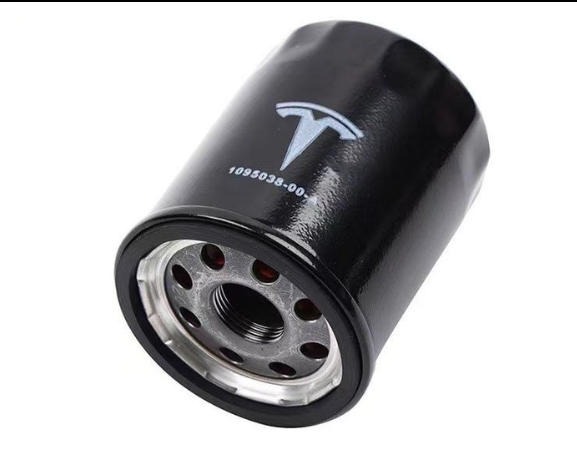
          Modern gasoline engines go 100K miles on a set of spark plugs, use a timing chain good for probably 250K miles or more, use coolant that needs to be changed once every 5 years, and need oil/filter changes every 10K miles or once a year.

          Modern gasoline engines do not require much maintenance.

          1. LarrytheG Avatar
            LarrytheG

            On an apple-to-apple basis, EVs cost much less to maintain simply because they have far fewer moving parts, something like 200, vs 2000.

            As the price of lithium batteries continue to drop, they'll match the price of ICE cars and are predicted to drop even lower.

            This is happening, going to happen, no matter how one feels about the climate issue.

            It's just simple technology evolution and economics, not unlike what we've seen for ICE technology itself over decades.

            If/when lithium prices for cars decline, it could also have a dramatic impact also on house power systems that can be recharged from solar. And such systems will be dual-use, they'll be good for power outages also

            Not driven by climate but simple economics and evolving technology.

            https://uploads.disquscdn.com/images/bc9903b484d04371dd50ddd704809c2351869f36d6e5f496e8eb0a9c4994b8c7.png

          2. LarrytheG Avatar
            LarrytheG

            yeah. yeah. gear box right? how often? still LESS parts by a factor of 10!

          3. how_it_works Avatar
            how_it_works

            Pretty much every part that exists on a gasoline vehicle (except for the engine) exists on an EV.

            I’ve already covered the minimal maintenance requirements of a modern gasoline engine.

          4. LarrytheG Avatar
            LarrytheG

            so do you agree with the 200 vs 2000 parts difference?

          5. how_it_works Avatar
            how_it_works

            No, I have no idea how that number was figured.

          6. LarrytheG Avatar
            LarrytheG

            A typical internal combustion engine has around 200 parts that need to be maintained and possibly replaced if they wear out. An electric vehicle takes that number down to around 20 parts.

            30 Basic Parts Of A Car Engine With Diagram – MendMotor

          7. how_it_works Avatar
            how_it_works

            A typical internal combustion engine can go upwards of 200,000 miles with only a handful of those being replaced, mainly sparkplugs.

          8. how_it_works Avatar
            how_it_works

            A typical internal combustion engine can go upwards of 200,000 miles with only a handful of those being replaced, mainly sparkplugs.

          9. 200 vs 2,000? Maybe. Are you referring to the entire vehicle or just the motive power unit?

          10. DJRippert Avatar
            DJRippert

            EVs are the future. No doubt. The problem is our mindless politicians who would know the difference between a cosine and a yard sign playing God with the pace of change.

          11. LarrytheG Avatar
            LarrytheG

            It’s always that way. Look how long it took to get lead out of gasoline or paints or other toxics.
            Politicians are reflections of US – the range for the rabid opposed to the rapid in favor.. the middle
            ground and not a pretty path there.

            One thing is certain, once we get to a law or regulation, we seldom go back. I don’t see
            us , for instance, undoing the energy standards for HVACs or other appliances.. We’re not going
            back to leaded fuels but we might with the killing of CHevron.

      3. Given the sizeable volume of gas extraction and gas storage losses and pipeline methane leaks, I rather expect electric losses are far lower (as a percentage of energy lost per distance delivered) — but overall about the same (when electricity's efficiencies are adjusted for the losses associated with creating the electricity (the carbon fuels actually used for much of electric generation and the losses in the generation process itself) looking at the entire chain of events on the grid today, and gas' efficiencies are adjusted for energy losses in consumption by the end user..

        1. LarrytheG Avatar
          LarrytheG

          so Point A to Point B pure moving it. gas is equivalent to electricity but after the front and back logistics, no?

          so, for instance, we can put electricity at 1000 vehicle charging stations that 1000 gasoline/nat gas stations?

          I’ve always wondered why we move gas to central Va to burn for electricity instead of burning the gas in WVA to produce electricity, like we do coal at Mt. Storm.

          1. I believe the losses from natural gas delivery are substantially higher than from electricity delivery (where the electric generation takes place close to its fuel source). But that's not the whole story. If you look at the entire energy-source-to-work-accomplished pathway including every efficiency loss along the way, electricity and direct natural gas consumption are close to equal. That's why they are competitive ways to buy energy from a business cost to the end user point of view. Allowing for electricity's non-carbon-based generation (renewables and nuclear), electricity has a clear advantage from a carbo- reduction point of view. You can't just pull one piece out of the picture like transportation and say, based on that alone, "therefore electricity is better" or "therefore natural gas is better."

          2. LarrytheG Avatar
            LarrytheG

            started off with saying EVs are more efficient because moving electricity is more efficient than moving gasoline but then electricity was questioned as the best and better than natural gas and it’s not necessarily, but natural
            gas cars never really caught on even though they were/are much cleaner than gasoline cars.

            I had assumed that all the players in the free market figured out what the costs are for each type of “fuel” and that gets passed on to the consumer.

            so, right now, EV are “cheaper” than gasoline cars and perhaps more expensive than natural gas cars?

      4. DJRippert Avatar
        DJRippert

        I agree. When the economics are right, when the charging time is right, when there are enough chargers available … electric cars will be far more popular than gas powered cars.

        So, why do our politicians feel the need to regulate the timing of this transition?

        1. LarrytheG Avatar
          LarrytheG

          same way they regulated gas-powered cars, water heaters, and HVACS, etc?

      5. energyNOW_Fan Avatar
        energyNOW_Fan

        I do not think so Larry. At the moment, we are coming to end of era of cheap electric, thanks to aging power plants and cheap fossil fuels. Electricity costs will probably sky-rocket in cost as we go to super-expensive new plants built by public monopoly utilities. Liberals have used cheap elec as justification but it is fleeting fad. I saw this in NJ we had expensive new-nukes electric and oil was cheaper for home heat. We just happen to have been in low point for electric vs. oil energy, cost wise.

        1. LarrytheG Avatar
          LarrytheG

          what do you think will replace electricity for low cost?

          1. energyNOW_Fan Avatar
            energyNOW_Fan

            Oil or gas heat and hot water…that's what we had to do in NJ due to high electricity costs due to nukes built there in the 70's 80's. Virginia had cheap electric then, so heat pumps were more popular here. We Virginia actually minimized nat gas use years ago, due to cheap electric. Bygone era though. That's why we historically consume more electric per person here, in the base case.

          2. LarrytheG Avatar
            LarrytheG

            oh, you’re talking about heat-only not a one-for-on replacement for electricity in toto. I would think that any product that has to be truck over the road is going to cost more than electrons over wires from whereever the fuel was burned to make electricity in the first place.

            Even if you have an uber-cheap fuel but you use it for both scenarios, burn to make electricity than move it or move the fuel then use at the other end , is moving the fuel cheaper than moving the electrons.

            So… is it indeed cheaper to buy fuel oil for heat/hot water than use a heat pump/electric water heater?

          3. Paul Sweet Avatar
            Paul Sweet

            There was a natural gas shortage in Virginia back in the 70s, when fracking was just a crazy dream, and some jurisdictions or utilities were nor allowing any new gas connections. Oil was still cheap then, but it was used mostly for larger commercial buildings. Residences and smaller commercial buildings generally went with heat pumps.

  8. Stephen Haner Avatar
    Stephen Haner

    Hmmm. This was not supposed to post and compete for attention with my piece on Dominion. Was holding it for tomorrow. Maybe another wrinkle in the new system which I don't understand….

    1. David Wojick Avatar
      David Wojick

      This is far more fun so you scooped yourself. All out of M lite but I have two more bottles of wine.

    2. Sorry, that was my fault. I saw it in the system and did some minor formatting edits. I guess I published it accidentally.

  9. Eric the half a troll Avatar
    Eric the half a troll

    Typically, a fossil is either an impression of a living being preserved in rock or a conversion of previously living organic matter to inorganic minerals. There are some exceptions to that rule (think insects trapped in amber) but generally these rules apply. Based on these definitions, I think you can consider coal to be a fossil fuel. Bigger stretch with liquid oil and definitely not right for methane, imo.

  10. David Wojick Avatar
    David Wojick

    However both widely used wood and dung are also carbon fuels so that does not work for fossil fuels alone.

    1. Stephen Haner Avatar
      Stephen Haner

      But on the energy density spectrum they are pathetically inefficient. I'd call them biofuels or biomass.

      1. David Wojick Avatar
        David Wojick

        There is nothing in the term “carbon fuel” to suggest high energy intensity.

  11. Dinosaur bones or no dinosaur bones, the Sinclair Oil sign is one of my all time favorite logos/trademarks.

  12. Dinosaur bones or no dinosaur bones, the Sinclair Oil sign is one of my all time favorite logos/trademarks.

  13. Dinosaur bones or no dinosaur bones, the Sinclair Oil sign is one of my all time favorite logos/trademarks.

  14. Randy Huffman Avatar
    Randy Huffman

    Kinda interesting that if you burn wood in a wood stove (which I do) its considered carbon neutral, but if its buried for millions of years and then burned as coal or oil, its not.

    https://www.smithsonianmag.com/smart-news/epa-declares-burning-wood-carbon-neutral-180968880/

    Rather then fossil or carbon fuels, why not just call it plant-based fuel?

    1. LarrytheG Avatar
      LarrytheG

      and renewable…but if we went to world where wood is used for electricity, we likely be doomed.

  15. William O'Keefe Avatar
    William O'Keefe

    For a long time geologists believed, and most may still, that petroleum was formed by decaying plants and dinosaurs. In recent years there has been growing evidence that hydrocarbons were elements that helped form the earth. This latter theory gets support from the presence of deep seabed methane.
    Whatever the source, there is an abundance of evidence that technology is helping us move down the carbon intensity curve in our choice of fuels. This has been documented by Jesse Ausubel.

Leave a Reply


ADVERTISEMENT