

by James A. Bacon
Think of the Washington Metro as a harbinger of the fiscal fate in store for the United States: it’s just a matter of time before the wheels fall off the subway car.
Today The Washington Post reminds us that the Washington Metropolitan Area Transit Authority (WMATA) is running out of money. Its governing structure encompassing Virginia, Maryland and Washington, D.C., is dysfunctional. The federal COVID-relief spigot has stopped spewing cash. Labor contracts have driven up payroll costs. Ridership has plummeted since the COVID-19 epidemic. Repeated efforts to fix the quasi-government enterprise have failed utterly.
Metro’s $2.4 billion annual operating budget faces a $750 million shortfall this year. Metro officials are projecting annual deficits of a billion dollars.
Metro’s rail and bus system is critical transportation infrastructure for the Washington metropolitan area, so “the nation’s subway system” has always been able to shake down state, federal and local government for more money. But there may be a limit to how much state and local governments, which are constitutionally required to balance their budgets, are willing to pay — or will be able to pay in the not-so-distant future when federal aid dries up, as it inevitably will.
“WMATA’s total budget has grown significantly faster than incomes in Virginia since 2019, and it is now the most expensive major heavy rail system to operate in the country,” Virginia Transportation Secretary Shep Miller told the Post. “This trend — driven primarily by costs related to overhead, not service — does not bode well for the long term.”
The Youngkin administration will likely hold out for some cost-cutting measures before doing the inevitable and capitulating for fear of the damage that a collapsing Metro will inflict upon the Northern Virginia economy. Average weekday ridership in the first quarter of 2024 was 507,000, and the prospect of all those commuters pouring onto the region’s already-congested roads is too awful to contemplate.
Or is it?
Maybe it’s time to think the unthinkable and let Metro go belly up. Sell or lease assets to the private sector in the hope that someone can figure out how to squeeze a profit from the most lucrative bits and pieces of the enterprise. Who knows what might be possible if a private operator were liberated from an onerous labor contract and a welter of federal regulations?
The Washington metropolitan area has a workforce of about 3.4 million. In very rough numbers, half reside in the metropolitan core served by Metro rail and buses. What would happen to the highway system if 500,00 Metro riders suddenly had to find alternative ways to work? Would the urban core descend into 24/7 gridlock?
Presumably, some Metro riders would choose to work at home. Maybe private-sector alternatives would emerge, such as Uber-style van services, or third world-style jitney services, or other forms of ride sharing that would find a willing market if subsidized Metro routes no longer competed for the business. Maybe Arlington, Alexandria, and Fairfax would divert the money from the Metro black hole into alternative transportation projects. Maybe Elon Musk’s Boring Company, which bores tunnels, would find a market digging underground roadways. Who knows what human creativity might accomplish?
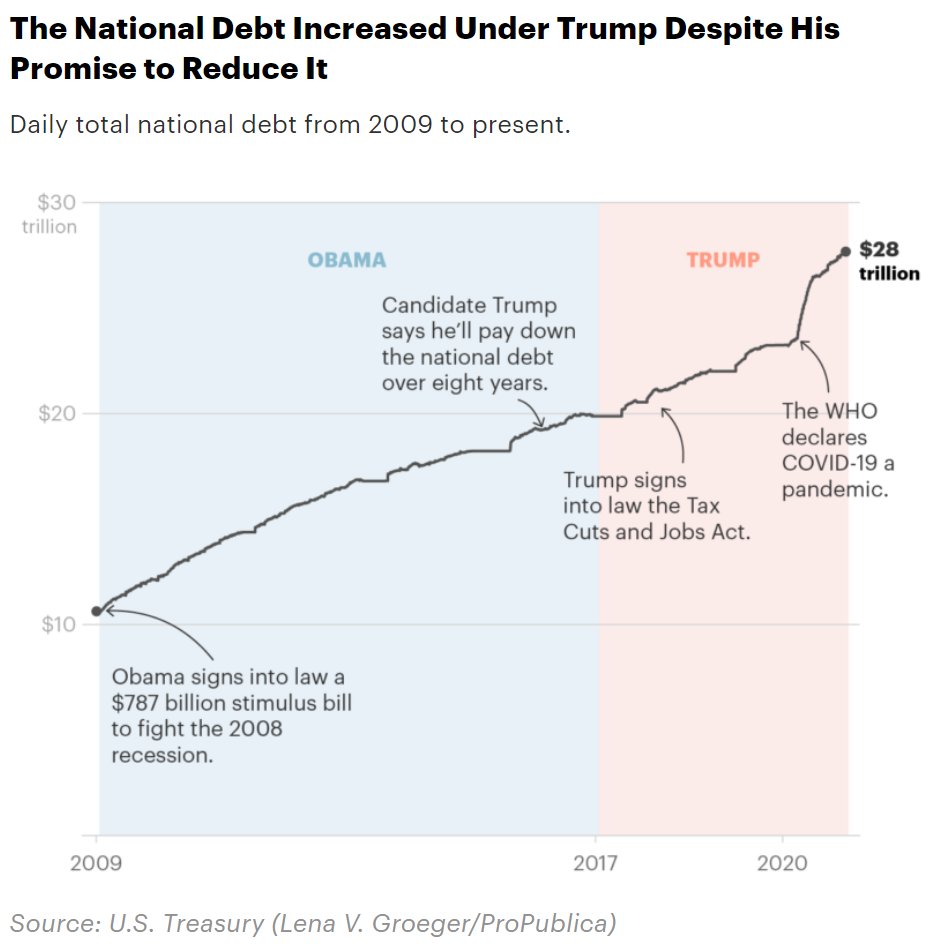
We’re all living on borrowed time, fiscally speaking. At some point investors will revolt against $2 trillion-a-year federal deficits and the mountainous $35 trillion national debt. As the federal government faces insolvency, every state government, local government, school district, beltway bandit, and quasi-governmental authority sucking on the federal teat will find itself writhing on the floor like a heroin addict in withdrawal.
Citing the most recent Congressional Budget Office (CBO) figures, Jeffrey H. Anderson in The City Journal details “America’s debt emergency” that everyone from presidential candidates to Wall Street speculators push to the back of their consciousness.
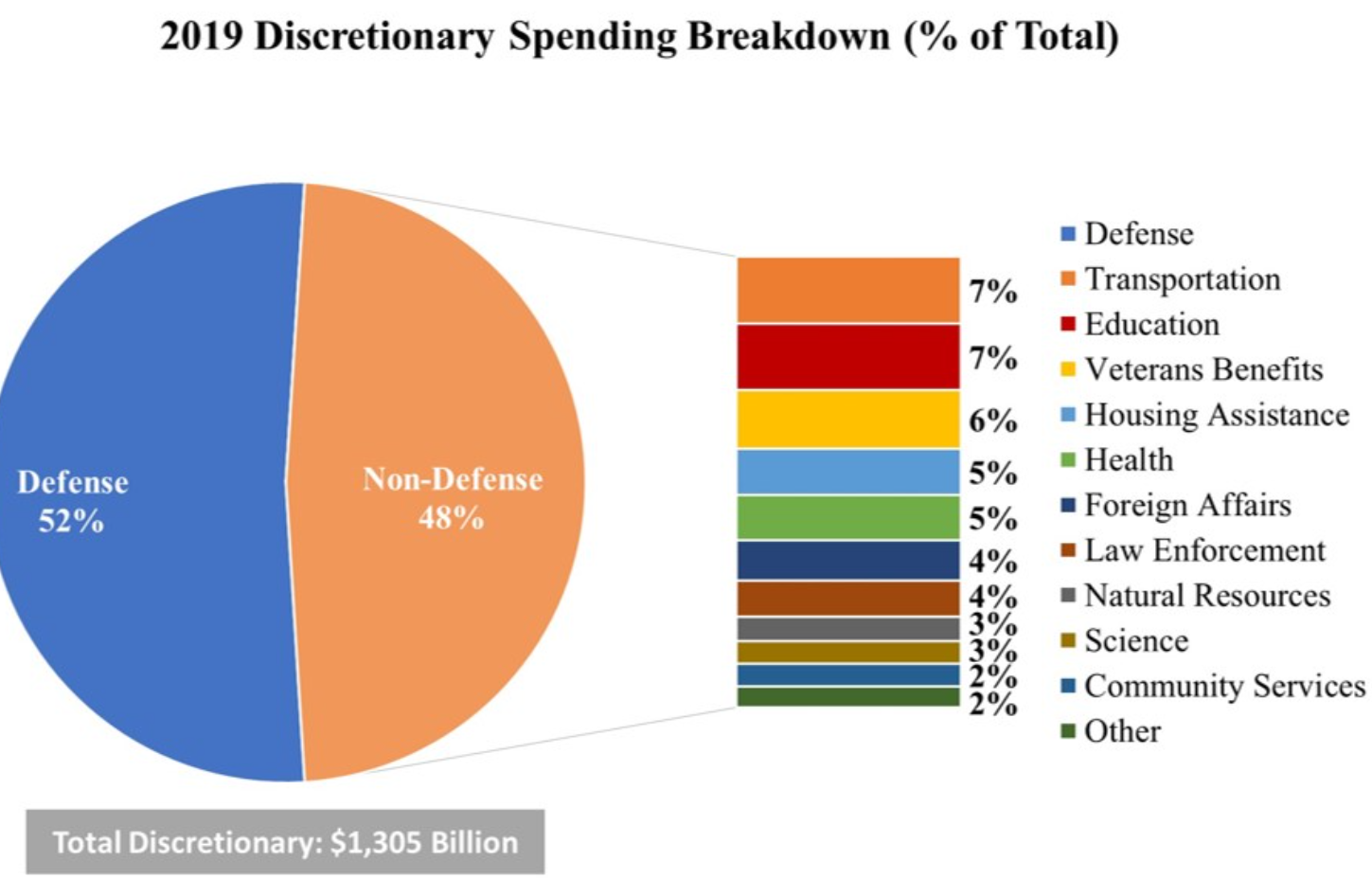
National debt, as a percentage of GDP, is projected to reach 109 percent in 2028, an amount greater than at any point in the nation’s history, and will hit 122 percent of GDP at the end of 2034. Interest payments on that debt are at an all-time high. “This year, for the first time in American history,” writes Anderson, “we will spend more on net interest payments on the debt than on our entire discretionary defense budget.”
“Mandatory” spending dominates our fiscal picture. This year, nearly 75 percent of federal outlays—consuming 104 percent of our tax revenue—is on autopilot, either in the form of “mandatory” programs or net interest payments on the debt. In other words, we could eliminate our entire defense budget, as well as every other dollar of discretionary spending (that is, outlays approved by Congress through the usual appropriations process), and we’d still have a deficit this year. Politicians nevertheless continue to revel in the fantasy of balancing the budget by “cutting waste, fraud, and abuse.”
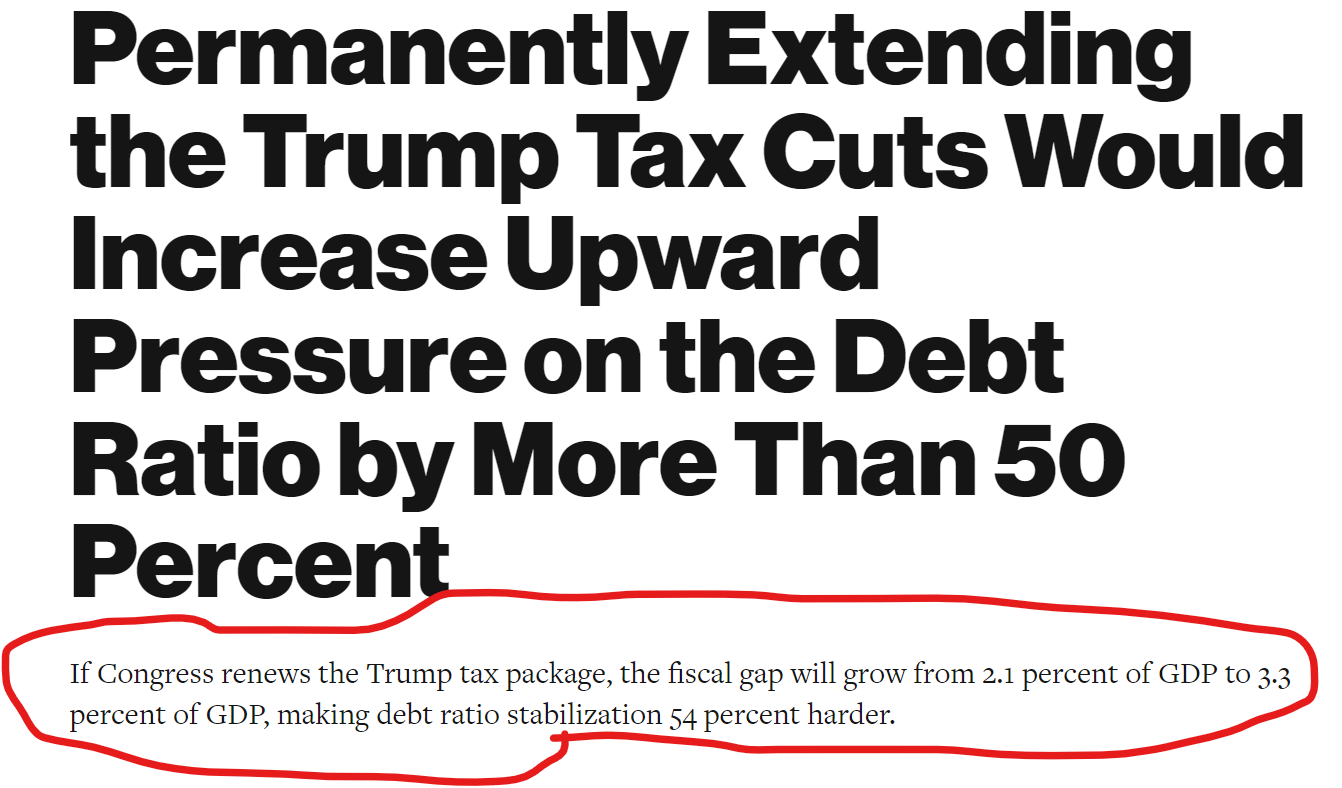
A fiscal reckoning is only a decade or so away — when the Social Security trust fund runs out and a criminally negligent Congress is forced to act to bail it out. Whatever the response, it will generate massive uncertainty. The nation is at risk of a political crisis precipitating a fiscal crisis, which in turn will precipitate the mother of all political crises.
Anyone with a time horizon that extends beyond his next meth fix has to contemplate the prospect of massive cuts in federal spending in the foreseeable future. Virginia state government, local government, and quasi-governmental entities — and that includes the Washington Metro above all — have about a decade to bullet-proof their balance sheets or fundamentally rethink the way they provide core public services.
The Washington Metro has had its share of train wrecks. Metaphorically speaking, its finances are a train wreck, too. So are the finances of the federal government. Like it or not, we’re the passengers along for the ride.
Correction: An earlier version of this article confused 507,000 “weekday” Metro riders with 507,000 “weekly” riders. The error has been fixed.



Leave a Reply
You must be logged in to post a comment.