by Steve Haner

Assuming Dominion Energy Virginia is indeed absorbed into an expanded NextEra Energy, the more things change the more they may stay the same. The average consumer might see no real difference in their service or their cost.
This step was probably inevitable. Credit (or blame) the massive electricity demand growth facing Virginia, especially in the Dominion territory and the member cooperatives inside the same footprint, coupled with the constraints on energy solutions imposed by the Virginia Clean Economy Act.
Whether you read the initial news release from the companies, the slide set they released or the transcript of the discussion Monday with investors, what excited the leaders of both companies is the hundreds of billions of dollars in capital (half a trillion dollars was mentioned in one interview) that will need to be invested in the next two decades. Dominion on its own couldn’t do that.
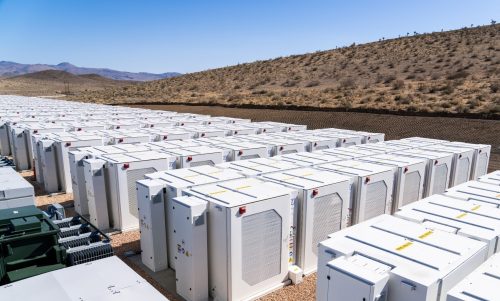
The 2026 General Assembly added a battery mandate to the Virginia Clean Economy Act that requires Dominion to acquire almost 21,000 megawatts of battery storage (enough to run its system all by itself some days). Much of it must be long duration batteries, with total capacity exceeding 120,000 megawatt hours. Mandating that level of capital spending may have been intended to attract a buyer for Dominion.
Always remember that regulated monopoly electricity providers such as Dominion and NextEra’s Florida Power and Light (FPL) earn a rate of return on their invested equity, on the power plants, transmission lines, distribution lines and now battery installations they own. The capital comes from investors, and the projects are paid off with profit margins over decades by their ratepayers.